Oxford Walking Tours Highlights

Oxford Walking Tours Highlights

Martyrs’ Memorial Oxford: St Giles and Broad Street Cross

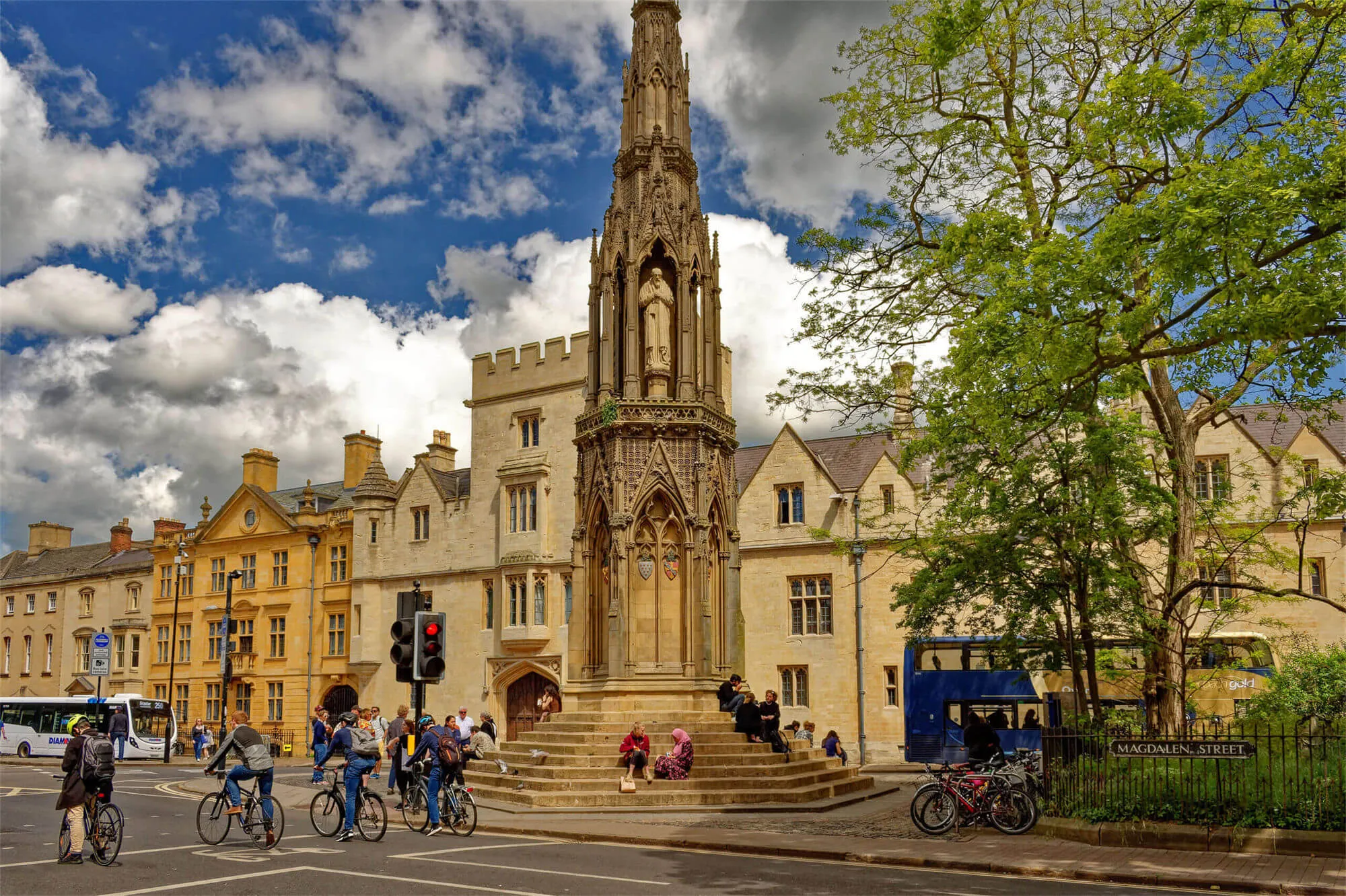
The Martyrs’ Memorial in Oxford is a key stop on an Oxford walking tour, standing on St Giles’ Street near Balliol College. It commemorates the Oxford Martyrs, three Protestant churchmen executed for heresy during the reign of Mary I: Thomas Cranmer, Hugh Latimer, and Nicholas Ridley.  The monument was completed in 1843 and designed by George Gilbert Scott in a dramatic Gothic Revival style, created as a public statement about conscience and religious conflict in Tudor England. For visitors, the best pairing is to walk from the memorial to Broad Street, where a small cross set into the pavement marks the traditional execution site. It is only a few minutes away, and it turns a striking monument into a real, place-based story you can stand on during your Oxford city walk. Fun fact: Many people stop at the tall memorial and never realise the actual site marker is the quiet one: the small cross in the road on Broad Street. 

Martyrs’ Memorial Oxford: St Giles and Broad Street Cross

The Martyrs’ Memorial in Oxford is a key stop on an Oxford walking tour, standing on St Giles’ Street near Balliol College. It commemorates the Oxford Martyrs, three Protestant churchmen executed for heresy during the reign of Mary I: Thomas Cranmer, Hugh Latimer, and Nicholas Ridley.  The monument was completed in 1843 and designed by George Gilbert Scott in a dramatic Gothic Revival style, created as a public statement about conscience and religious conflict in Tudor England. For visitors, the best pairing is to walk from the memorial to Broad Street, where a small cross set into the pavement marks the traditional execution site. It is only a few minutes away, and it turns a striking monument into a real, place-based story you can stand on during your Oxford city walk. Fun fact: Many people stop at the tall memorial and never realise the actual site marker is the quiet one: the small cross in the road on Broad Street. 

Martyrs’ Memorial Oxford: St Giles and Broad Street Cross
Balliol College Oxford: Oldest College on Broad Street

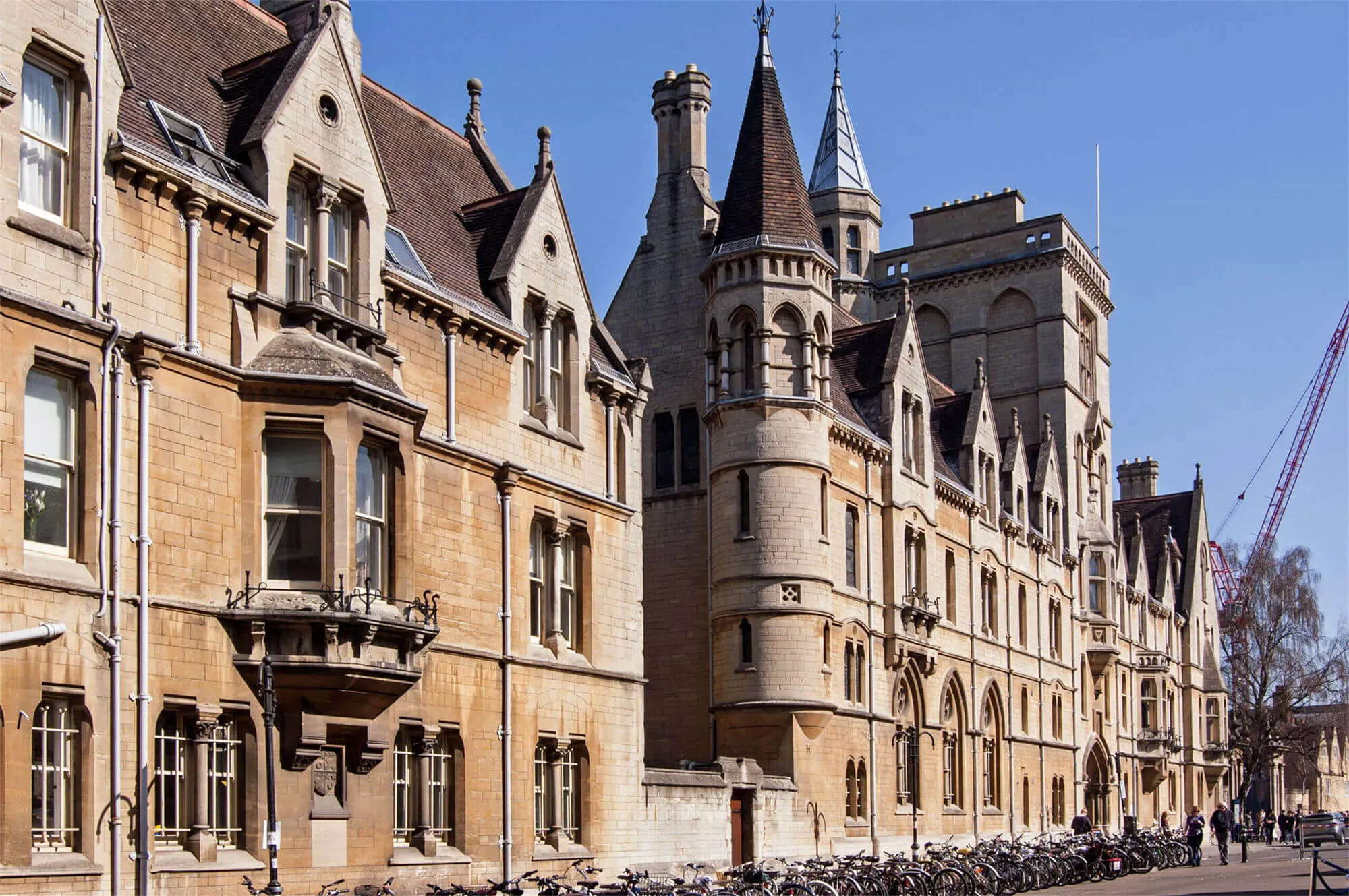
Balliol College Oxford is a core stop on any Oxford walking tour, set right on Broad Street near the Sheldonian Theatre and the Bodleian area. The college traces its origins to 1263, founded by John I de Balliol and later secured by statutes created by his widow Dervorguilla of Galloway, which is why Balliol is often presented as one of the oldest colleges in Oxford.  From the street, the entrance can feel surprisingly understated, but inside you find calm quads and layered architecture that rewards a slow wander. Balliol is also famous for its public debate and political energy, with alumni including four British Prime Ministers: H. H. Asquith, Harold Macmillan, Edward Heath, and Boris Johnson.  If you want an Oxford college that feels both historic and intellectually alive, Balliol delivers that mix better than almost anywhere else. Fun fact: Balliol highlights itself as the oldest academic institution in the English-speaking world still on its original site, which is why it shows up so often in “oldest Oxford college” arguments.

Balliol College Oxford: Oldest College on Broad Street

Balliol College Oxford is a core stop on any Oxford walking tour, set right on Broad Street near the Sheldonian Theatre and the Bodleian area. The college traces its origins to 1263, founded by John I de Balliol and later secured by statutes created by his widow Dervorguilla of Galloway, which is why Balliol is often presented as one of the oldest colleges in Oxford.  From the street, the entrance can feel surprisingly understated, but inside you find calm quads and layered architecture that rewards a slow wander. Balliol is also famous for its public debate and political energy, with alumni including four British Prime Ministers: H. H. Asquith, Harold Macmillan, Edward Heath, and Boris Johnson.  If you want an Oxford college that feels both historic and intellectually alive, Balliol delivers that mix better than almost anywhere else. Fun fact: Balliol highlights itself as the oldest academic institution in the English-speaking world still on its original site, which is why it shows up so often in “oldest Oxford college” arguments.

Balliol College Oxford: Oldest College on Broad Street
Trinity College Oxford: Gardens, Quads and Chapel Music

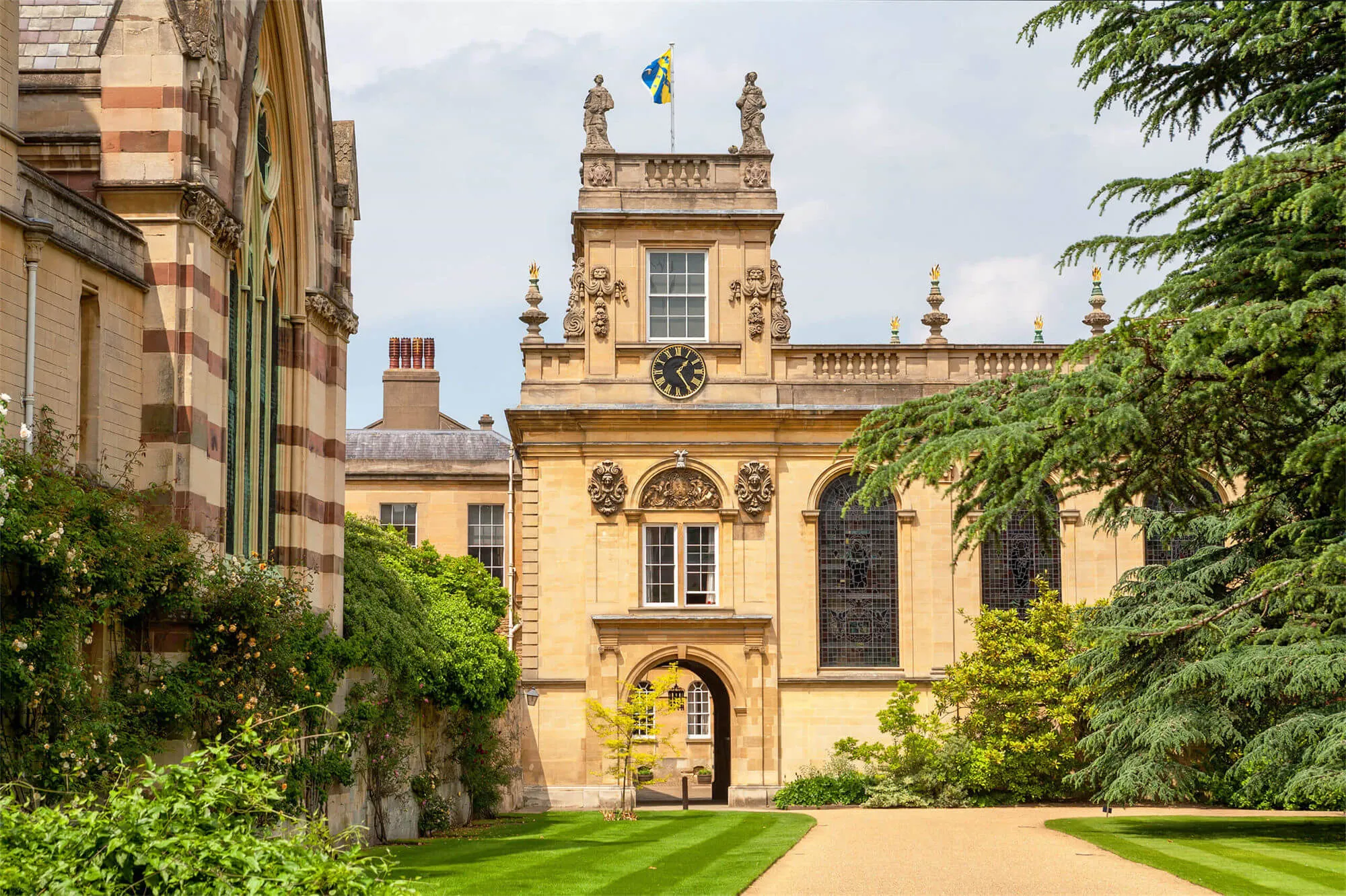
Trinity College Oxford is a calm, beautifully kept stop on an Oxford walking tour, tucked just off Broad Street near Balliol and the Martyrs’ Memorial. It was founded in 1555 by Sir Thomas Pope on the site of the medieval Durham College, which is why Trinity has that layered Oxford feel where older foundations sit under later Renaissance elegance.  The college is especially loved for its gardens and quads, which feel noticeably peaceful in spring and summer compared with the busier streets outside. If you want Oxford that is quieter and more “academic postcard”, Trinity delivers. It also has a strong music tradition centred on the chapel, with termly concerts and a regular chapel choir that sings services in term time. Fun fact: Trinity says it is the only Oxford college that contains the tomb of its founder, Sir Thomas Pope, inside the chapel. 

Trinity College Oxford: Gardens, Quads and Chapel Music

Trinity College Oxford is a calm, beautifully kept stop on an Oxford walking tour, tucked just off Broad Street near Balliol and the Martyrs’ Memorial. It was founded in 1555 by Sir Thomas Pope on the site of the medieval Durham College, which is why Trinity has that layered Oxford feel where older foundations sit under later Renaissance elegance.  The college is especially loved for its gardens and quads, which feel noticeably peaceful in spring and summer compared with the busier streets outside. If you want Oxford that is quieter and more “academic postcard”, Trinity delivers. It also has a strong music tradition centred on the chapel, with termly concerts and a regular chapel choir that sings services in term time. Fun fact: Trinity says it is the only Oxford college that contains the tomb of its founder, Sir Thomas Pope, inside the chapel. 

Trinity College Oxford: Gardens, Quads and Chapel Music
History of Science Museum Oxford: Einstein Blackboard and Scientific Instruments

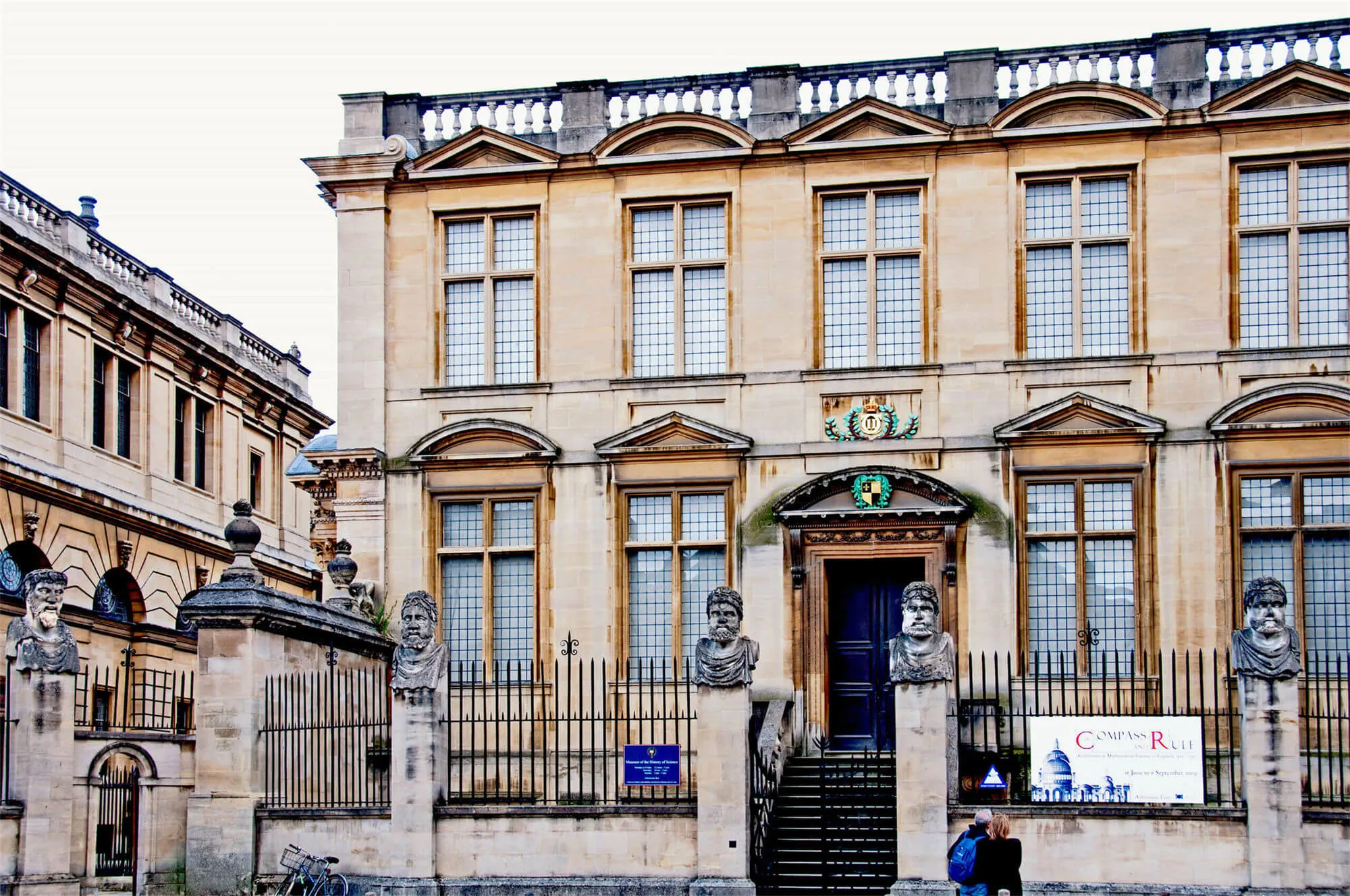
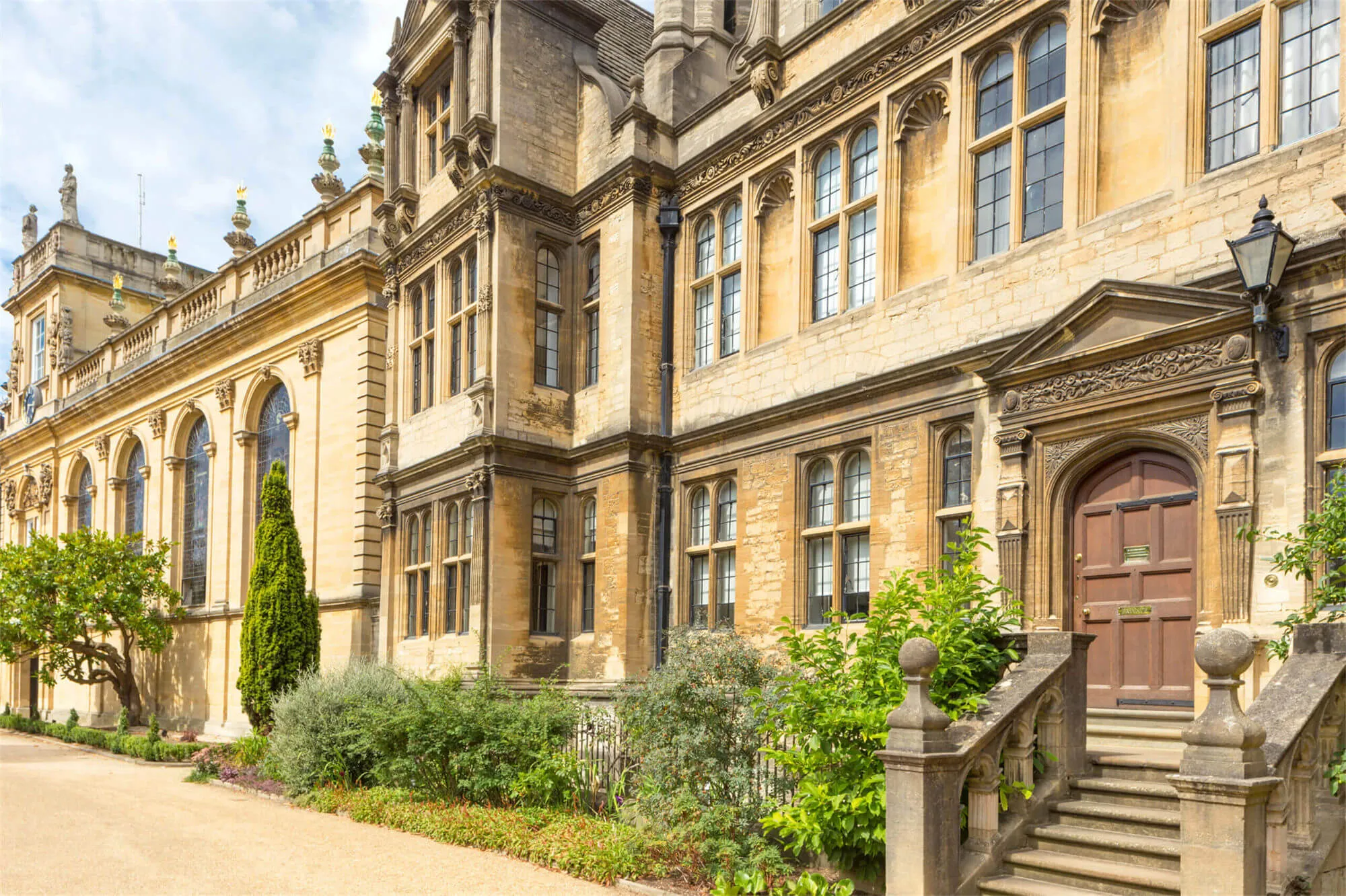
The History of Science Museum Oxford is a must-stop on any Oxford walking tour, set on Broad Street inside the Old Ashmolean Building, which opened in 1683 and is described by the museum as the oldest public museum building in the world.  The museum specialises in the history of science through objects you can actually stand close to, including world-class collections of astrolabes, sundials, early telescopes, clocks and scientific instruments from Europe, the Middle East, Asia and Africa.  The headline object for many visitors is Einstein’s blackboard, preserved from his Oxford lecture on 16 May 1931, still covered with equations connecting the age, density and size of the universe.  It is a rare Oxford moment where the building is historic, the objects are beautiful, and the story is instantly understandable even if you are not “into science”. Fun fact: When the original Ashmolean opened here in 1683, members of the public were admitted from the very start, which was controversial in the 17th century. 

History of Science Museum Oxford: Einstein Blackboard and Scientific Instruments

The History of Science Museum Oxford is a must-stop on any Oxford walking tour, set on Broad Street inside the Old Ashmolean Building, which opened in 1683 and is described by the museum as the oldest public museum building in the world.  The museum specialises in the history of science through objects you can actually stand close to, including world-class collections of astrolabes, sundials, early telescopes, clocks and scientific instruments from Europe, the Middle East, Asia and Africa.  The headline object for many visitors is Einstein’s blackboard, preserved from his Oxford lecture on 16 May 1931, still covered with equations connecting the age, density and size of the universe.  It is a rare Oxford moment where the building is historic, the objects are beautiful, and the story is instantly understandable even if you are not “into science”. Fun fact: When the original Ashmolean opened here in 1683, members of the public were admitted from the very start, which was controversial in the 17th century. 

History of Science Museum Oxford: Einstein Blackboard and Scientific Instruments
Sheldonian Theatre Oxford: Wren Design and Rooftop Views

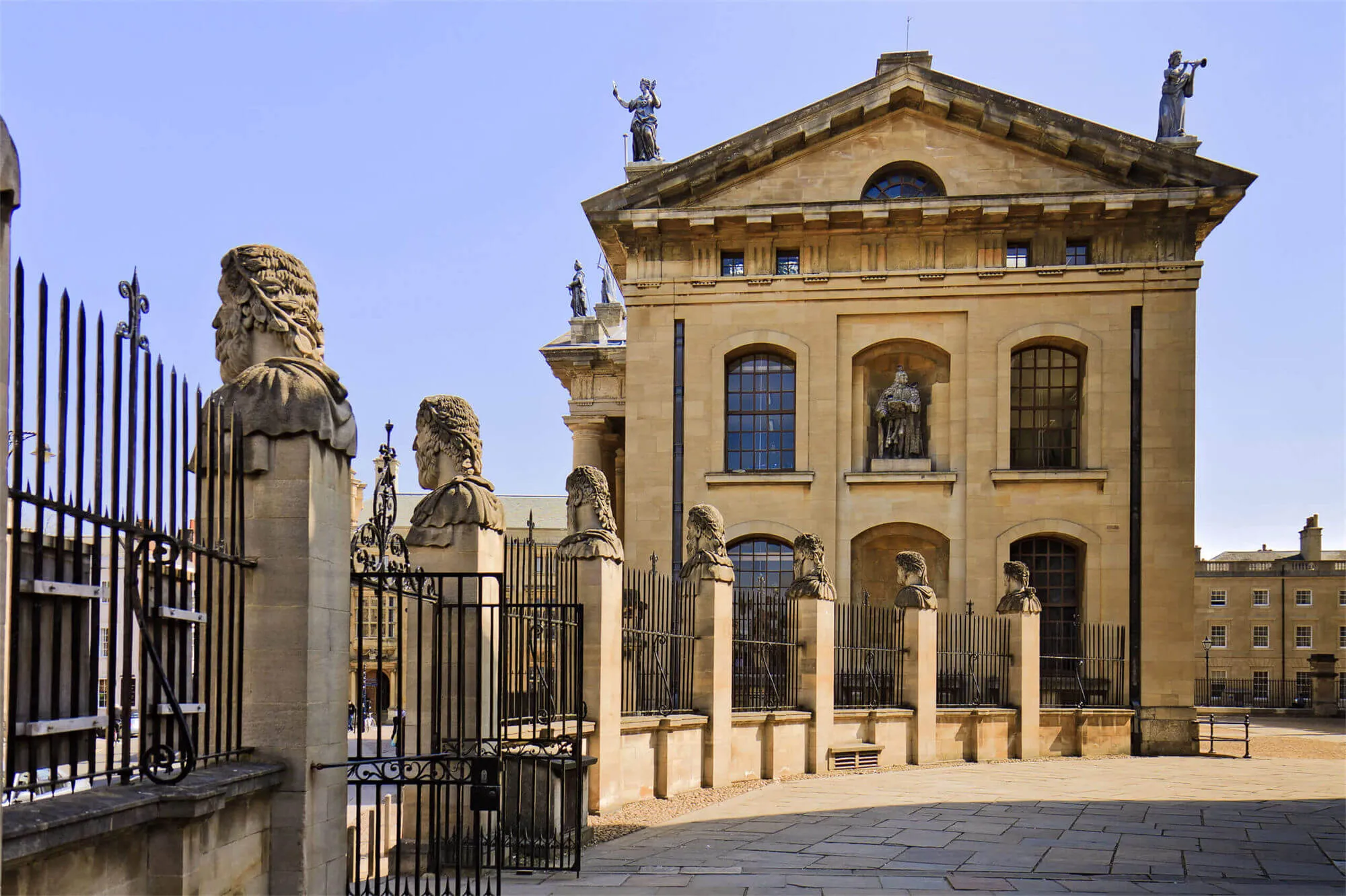
The Sheldonian Theatre Oxford is one of the most important landmarks on an Oxford walking tour, sitting between Broad Street and Radcliffe Square at the centre of the University’s ceremonial life. Designed by Sir Christopher Wren and completed in the 1660s, it was built for University gatherings and is still used for major ceremonies, including parts of degree events, as well as concerts and talks.  Inside, the standout feature is the vast painted ceiling, The Triumph of Truth, created by Sir James Thornhill, which gives the space its dramatic “Oxford” feel the moment you look up.  For visitors, the best add-on is the walk up to the cupola, where you get panoramic views across Oxford’s skyline of spires and honey-coloured stone, plus a close look at the theatre’s architecture from above. Fun fact: Wren was not officially an architect by job title when he designed the Sheldonian, he was a scientist and professor, which makes this building one of the most famous “side projects” in British architecture.

Sheldonian Theatre Oxford: Wren Design and Rooftop Views

The Sheldonian Theatre Oxford is one of the most important landmarks on an Oxford walking tour, sitting between Broad Street and Radcliffe Square at the centre of the University’s ceremonial life. Designed by Sir Christopher Wren and completed in the 1660s, it was built for University gatherings and is still used for major ceremonies, including parts of degree events, as well as concerts and talks.  Inside, the standout feature is the vast painted ceiling, The Triumph of Truth, created by Sir James Thornhill, which gives the space its dramatic “Oxford” feel the moment you look up.  For visitors, the best add-on is the walk up to the cupola, where you get panoramic views across Oxford’s skyline of spires and honey-coloured stone, plus a close look at the theatre’s architecture from above. Fun fact: Wren was not officially an architect by job title when he designed the Sheldonian, he was a scientist and professor, which makes this building one of the most famous “side projects” in British architecture.

Sheldonian Theatre Oxford: Wren Design and Rooftop Views
Oxford Bridge of Sighs: Hertford Bridge (1914)

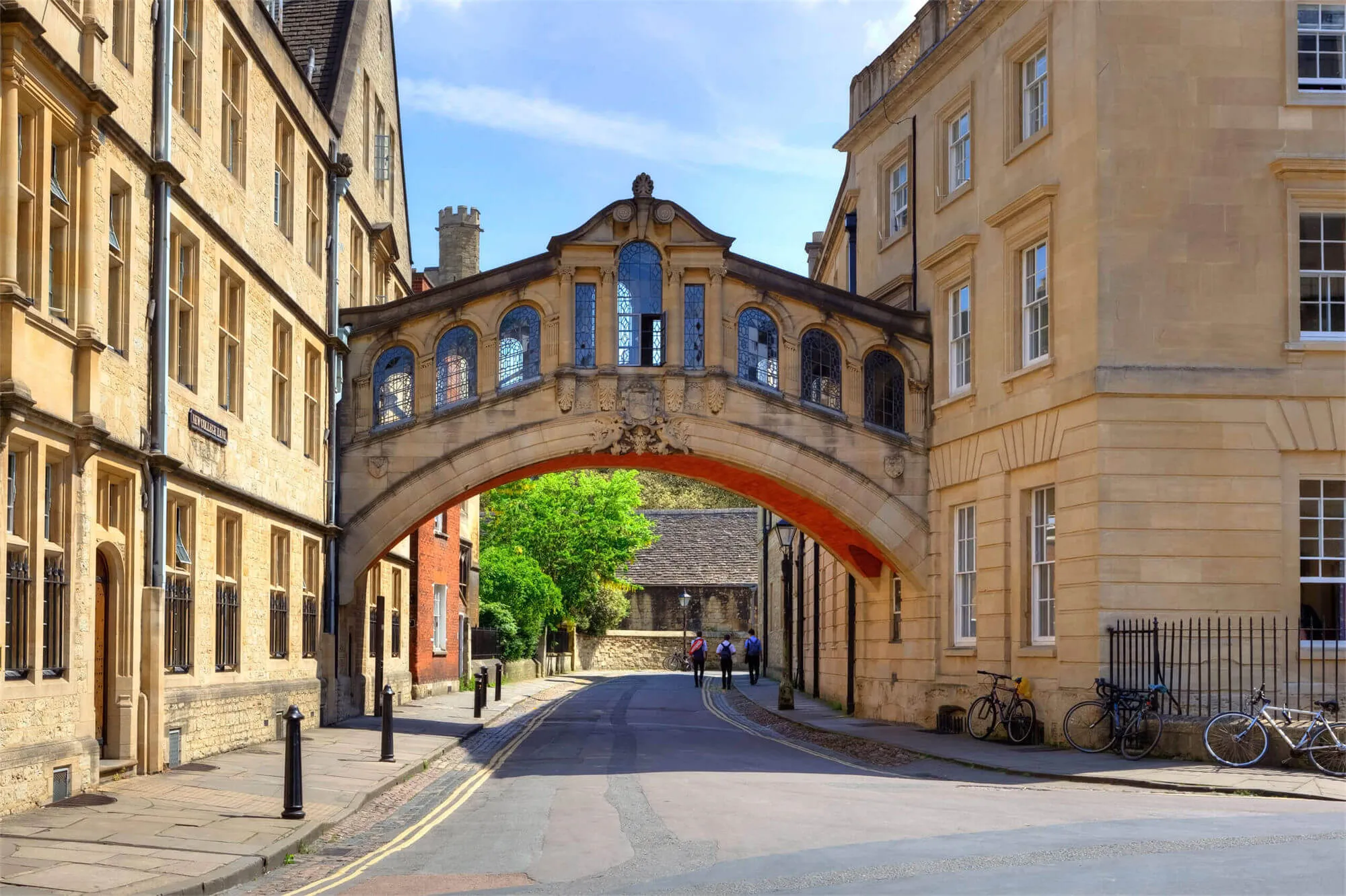
The Oxford Bridge of Sighs is officially Hertford Bridge, linking Hertford College buildings across New College Lane and forming one of the most photographed views on an Oxford walking tour. Built in 1914, it is often compared to Venice’s Bridge of Sighs because of the name and the romantic look, but in Oxford it is simply a practical college connection that became an icon by accident.  The bridge’s arch and enclosed upper walkway frame New College Lane perfectly, so even a quick phone photo can look like a postcard. It is also very easy to add to a central walking route because it sits close to the Bodleian area, Radcliffe Square, and other headline Oxford sights. Fun fact: The nickname “Bridge of Sighs” is informal. The official name is Hertford Bridge, and it belongs to Hertford College, not New College.

Oxford Bridge of Sighs: Hertford Bridge (1914)

The Oxford Bridge of Sighs is officially Hertford Bridge, linking Hertford College buildings across New College Lane and forming one of the most photographed views on an Oxford walking tour. Built in 1914, it is often compared to Venice’s Bridge of Sighs because of the name and the romantic look, but in Oxford it is simply a practical college connection that became an icon by accident.  The bridge’s arch and enclosed upper walkway frame New College Lane perfectly, so even a quick phone photo can look like a postcard. It is also very easy to add to a central walking route because it sits close to the Bodleian area, Radcliffe Square, and other headline Oxford sights. Fun fact: The nickname “Bridge of Sighs” is informal. The official name is Hertford Bridge, and it belongs to Hertford College, not New College.

Oxford Bridge of Sighs: Hertford Bridge (1914)
Bodleian Library Oxford: Guided Tours and Gothic Reading Rooms

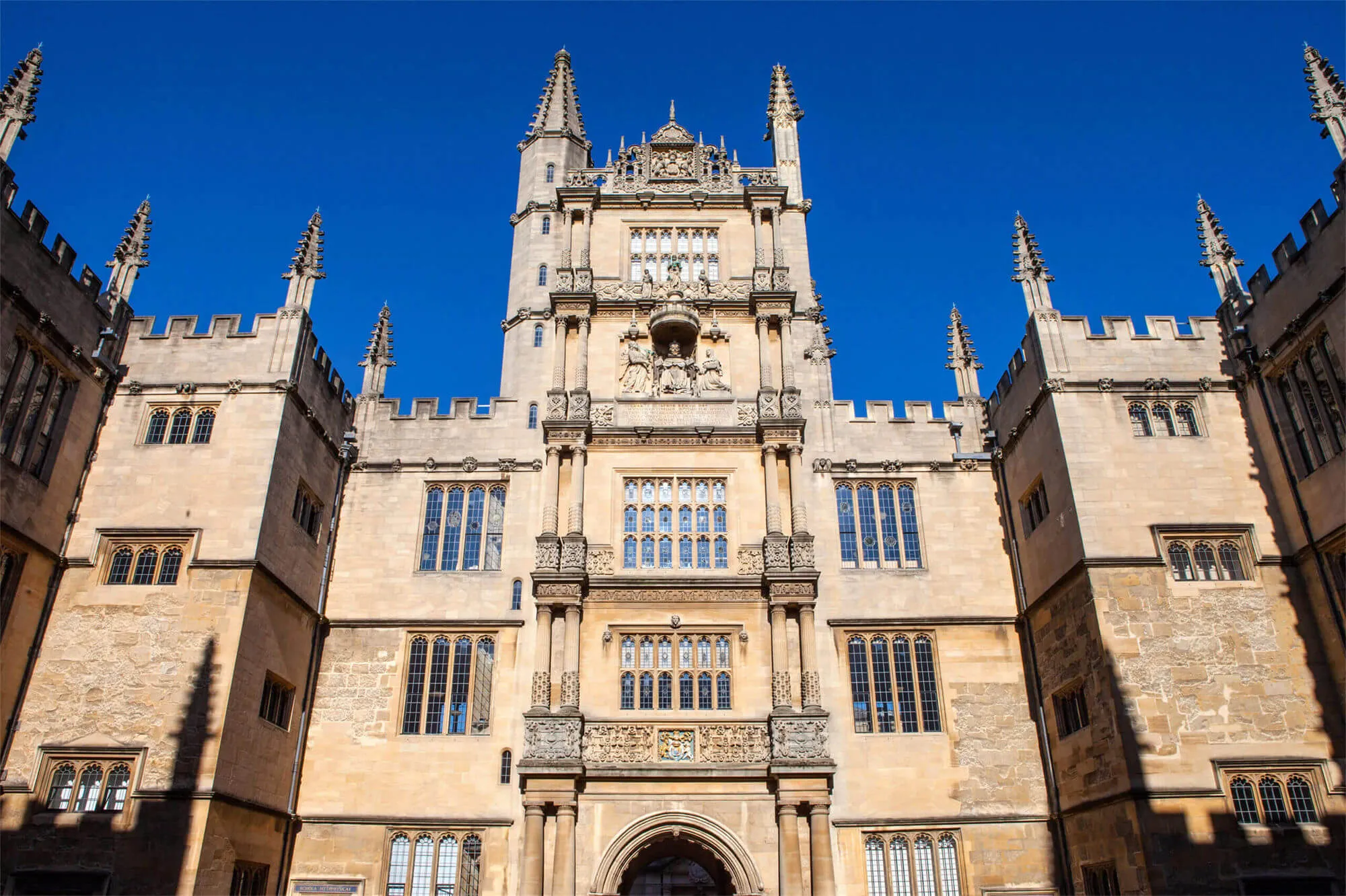
The Bodleian Library Oxford is the city’s intellectual heart and a top highlight on any Oxford walking tour, sitting on Broad Street in the historic University quarter. The library first opened to scholars in 1602 and is described as Britain’s second-largest library after the British Library, with the wider Bodleian Libraries holding over 13 million printed items plus major special collections.  For visitors, the best way in is by guided tour, which typically takes you through the atmospheric Divinity School and Duke Humfrey’s Library, then links you into the wider “Bodleian world” of Oxford scholarship and architecture.  Even if you are not a book person, the experience lands because the spaces feel like pure Oxford: carved stone, late Gothic detail, and reading rooms that look like film sets, because many actually are. Fun fact: The Bodleian is a legal deposit library, meaning it can claim a copy of every book published in the UK, which is one reason the collection keeps growing year after year. 

Bodleian Library Oxford: Guided Tours and Gothic Reading Rooms

The Bodleian Library Oxford is the city’s intellectual heart and a top highlight on any Oxford walking tour, sitting on Broad Street in the historic University quarter. The library first opened to scholars in 1602 and is described as Britain’s second-largest library after the British Library, with the wider Bodleian Libraries holding over 13 million printed items plus major special collections.  For visitors, the best way in is by guided tour, which typically takes you through the atmospheric Divinity School and Duke Humfrey’s Library, then links you into the wider “Bodleian world” of Oxford scholarship and architecture.  Even if you are not a book person, the experience lands because the spaces feel like pure Oxford: carved stone, late Gothic detail, and reading rooms that look like film sets, because many actually are. Fun fact: The Bodleian is a legal deposit library, meaning it can claim a copy of every book published in the UK, which is one reason the collection keeps growing year after year. 

Bodleian Library Oxford: Guided Tours and Gothic Reading Rooms
Radcliffe Camera Oxford: Iconic Dome in Radcliffe Square

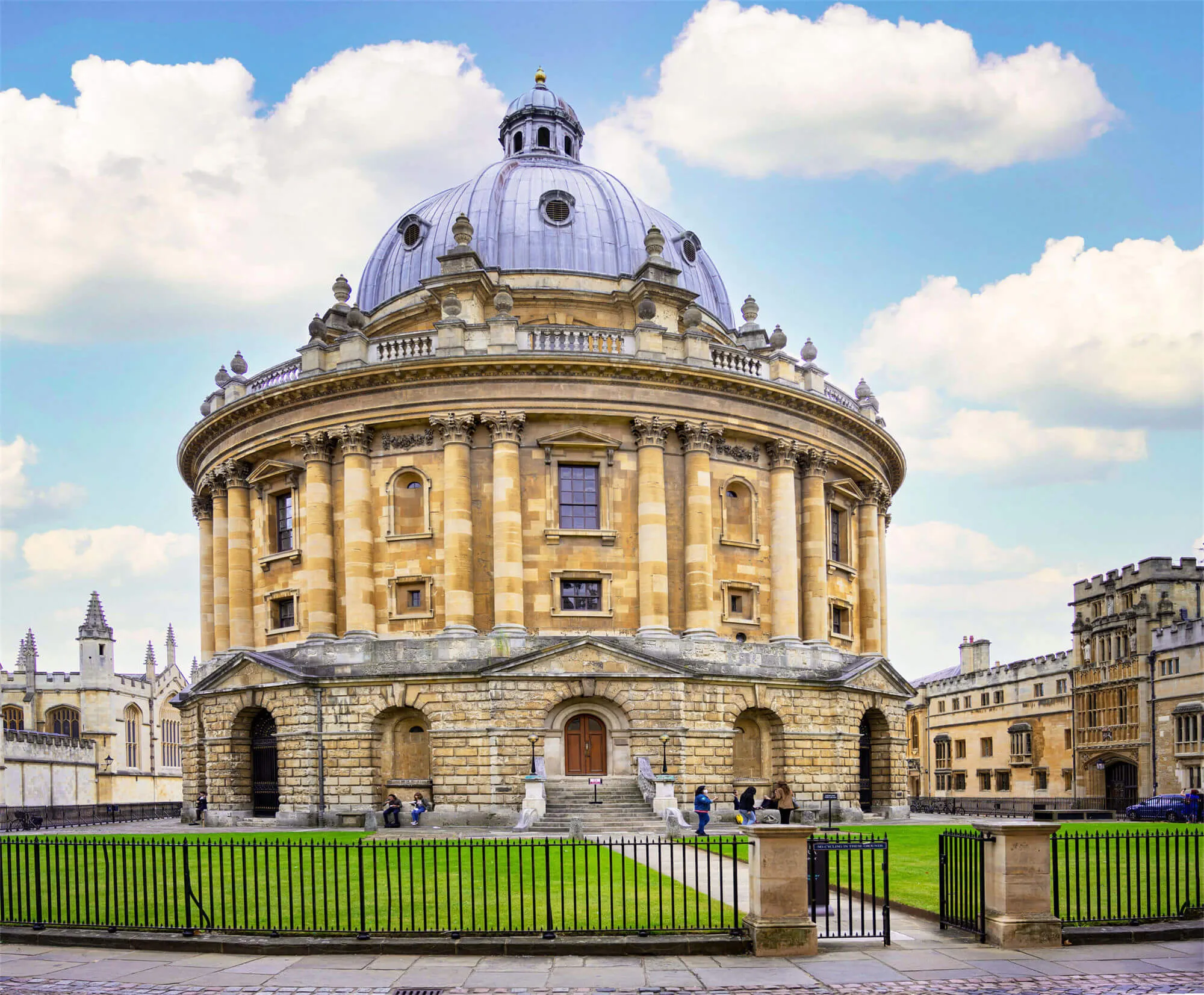
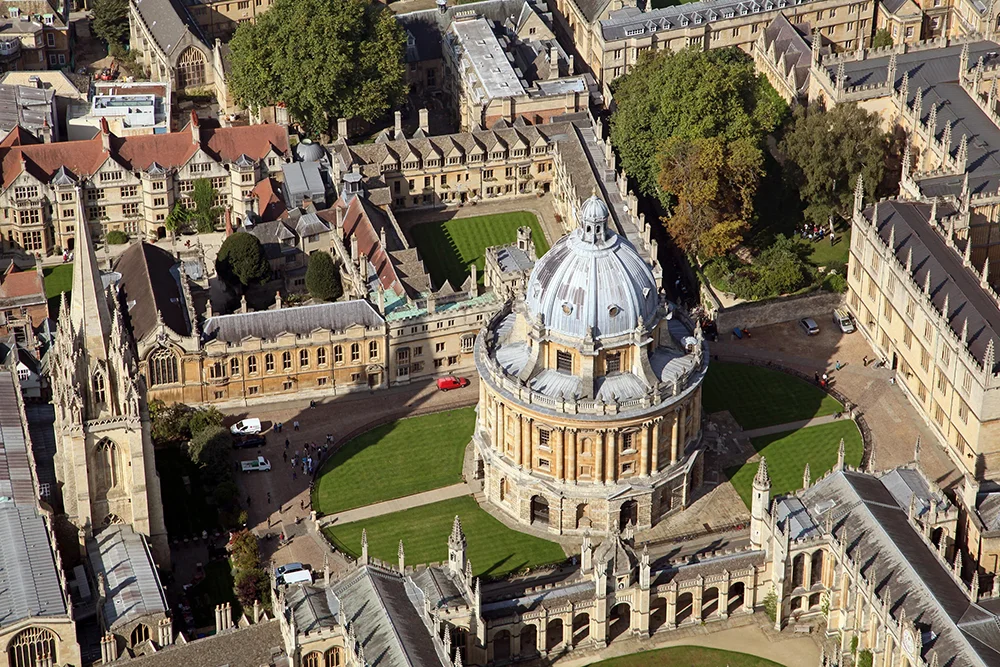
The Radcliffe Camera Oxford is the city’s most recognisable landmark and a centrepiece on any Oxford walking tour, sitting in Radcliffe Square between the University Church of St Mary and the Bodleian area. Designed by James Gibbs and built from 1737 to 1749, it was funded by a bequest from physician Dr John Radcliffe and originally opened as the Radcliffe Library in 1749.  Its circular form, grand stonework and domed roof make it a classic example of 18th-century English classical design, and it is best appreciated from the surrounding square where the building reads like a perfect architectural “360”. Today it forms part of the Bodleian Libraries and remains a working library, which is why the inside is generally not open for casual public entry. Fun fact: The Radcliffe Camera is connected to the Bodleian by an underground link, now known as the Gladstone Link, so books and readers move between buildings without crossing the square above.

Radcliffe Camera Oxford: Iconic Dome in Radcliffe Square

The Radcliffe Camera Oxford is the city’s most recognisable landmark and a centrepiece on any Oxford walking tour, sitting in Radcliffe Square between the University Church of St Mary and the Bodleian area. Designed by James Gibbs and built from 1737 to 1749, it was funded by a bequest from physician Dr John Radcliffe and originally opened as the Radcliffe Library in 1749.  Its circular form, grand stonework and domed roof make it a classic example of 18th-century English classical design, and it is best appreciated from the surrounding square where the building reads like a perfect architectural “360”. Today it forms part of the Bodleian Libraries and remains a working library, which is why the inside is generally not open for casual public entry. Fun fact: The Radcliffe Camera is connected to the Bodleian by an underground link, now known as the Gladstone Link, so books and readers move between buildings without crossing the square above.

Radcliffe Camera Oxford: Iconic Dome in Radcliffe Square
All Souls College Oxford: No Undergraduates and Famous Fellowship Exam

All Souls College Oxford is one of the most intriguing stops on an Oxford walking tour, sitting beside the University Church of St Mary the Virgin on High Street and Catte Street.  Founded in the 1430s and granted its foundation charter in 1438, All Souls is unusual even by Oxford standards because it has no undergraduate members. Instead, it is primarily a research-focused community of Fellows, many of whom are leading scholars in the humanities and social sciences.  From the street, the college feels quiet and self-contained, with calm quads and a chapel that rewards a closer look if you are doing a “historic Oxford” route. Fun fact: All Souls is famous for its Examination Fellowships, and it once had a legendary one-word essay paper that asked candidates to write for hours on a single word. The college later removed that format, but the myth still fuels its reputation as Oxford’s hardest exam.

All Souls College Oxford: No Undergraduates and Famous Fellowship Exam

All Souls College Oxford is one of the most intriguing stops on an Oxford walking tour, sitting beside the University Church of St Mary the Virgin on High Street and Catte Street.  Founded in the 1430s and granted its foundation charter in 1438, All Souls is unusual even by Oxford standards because it has no undergraduate members. Instead, it is primarily a research-focused community of Fellows, many of whom are leading scholars in the humanities and social sciences.  From the street, the college feels quiet and self-contained, with calm quads and a chapel that rewards a closer look if you are doing a “historic Oxford” route. Fun fact: All Souls is famous for its Examination Fellowships, and it once had a legendary one-word essay paper that asked candidates to write for hours on a single word. The college later removed that format, but the myth still fuels its reputation as Oxford’s hardest exam.

All Souls College Oxford: No Undergraduates and Famous Fellowship Exam
University Church of St Mary the Virgin Oxford: Tower Views and Oxford Martyrs

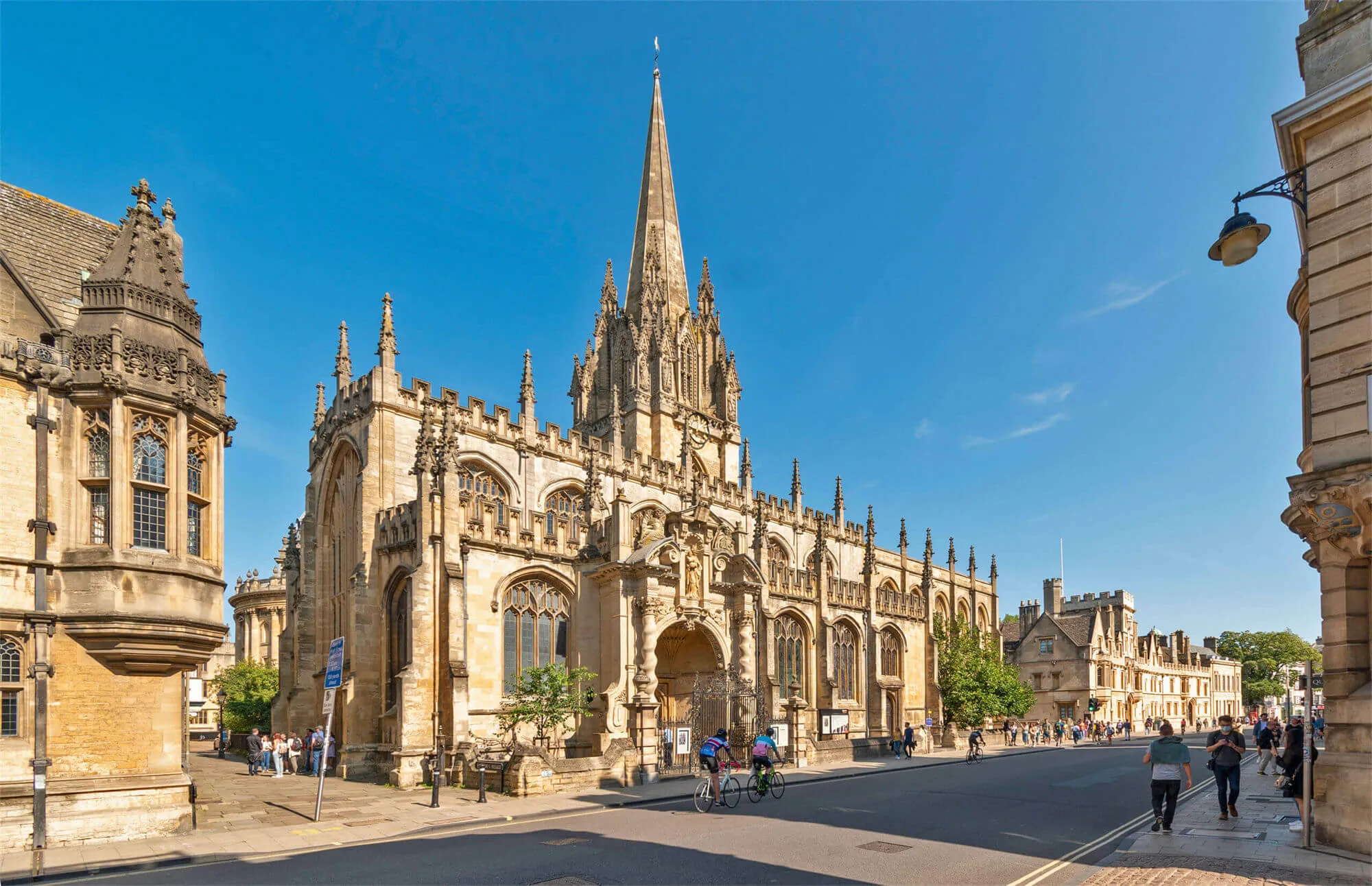
The University Church of St Mary the Virgin Oxford is a central landmark on any Oxford walking tour, standing beside Radcliffe Square and the Bodleian area. It is known as the University Church and it is closely linked to key moments in Oxford history, including the 1555 heresy trials of the Oxford Martyrs: Thomas Cranmer, Hugh Latimer, and Nicholas Ridley. For visitors, the headline experience is the tower climb. The church’s tower is described by the church as the oldest visible part of the building and it gives some of the best views in central Oxford, looking directly over Radcliffe Square, the Radcliffe Camera, and surrounding colleges.  Inside, St Mary’s remains an active place of worship and public life, with regular services and a busy programme of music and events, so it feels alive rather than museum-like. Fun fact: In the church you can still see physical evidence linked to the 1555 trials, including damage to a pillar where a platform was erected for the proceedings.

University Church of St Mary the Virgin Oxford: Tower Views and Oxford Martyrs

The University Church of St Mary the Virgin Oxford is a central landmark on any Oxford walking tour, standing beside Radcliffe Square and the Bodleian area. It is known as the University Church and it is closely linked to key moments in Oxford history, including the 1555 heresy trials of the Oxford Martyrs: Thomas Cranmer, Hugh Latimer, and Nicholas Ridley. For visitors, the headline experience is the tower climb. The church’s tower is described by the church as the oldest visible part of the building and it gives some of the best views in central Oxford, looking directly over Radcliffe Square, the Radcliffe Camera, and surrounding colleges.  Inside, St Mary’s remains an active place of worship and public life, with regular services and a busy programme of music and events, so it feels alive rather than museum-like. Fun fact: In the church you can still see physical evidence linked to the 1555 trials, including damage to a pillar where a platform was erected for the proceedings.

University Church of St Mary the Virgin Oxford: Tower Views and Oxford Martyrs
Oxford High Street: The High from Carfax to Magdalen Bridge

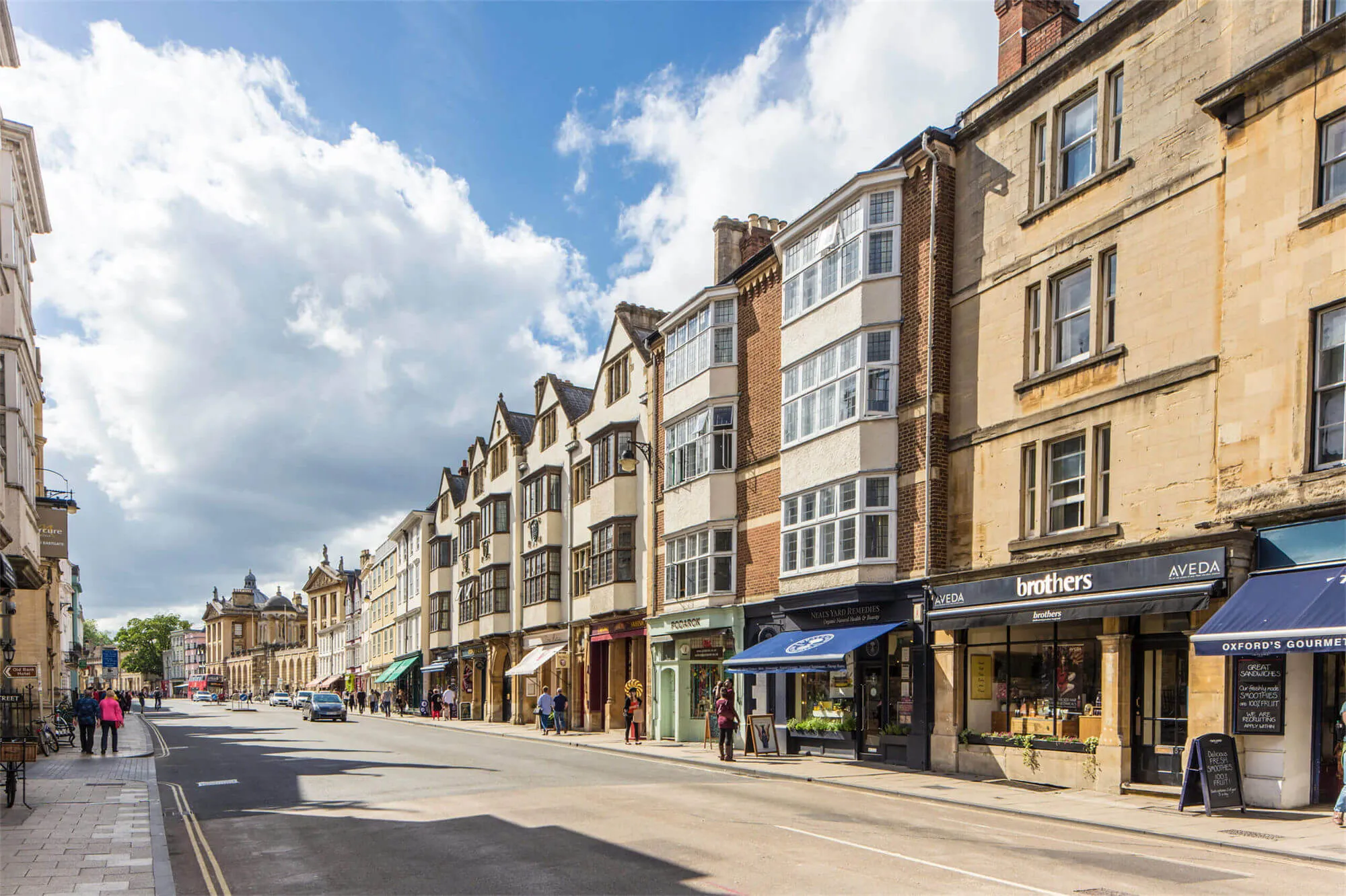
Oxford High Street, known locally as “The High”, is the core spine of any Oxford walking tour, running from Carfax in the west to Magdalen Bridge in the east.  It curves gently through the historic centre and packs in Oxford’s biggest “town and gown” sights in one line of sight. On the north side you pass major University landmarks and colleges, including the University Church of St Mary the Virgin, All Souls, The Queen’s College, and, at the far end, Magdalen College.  This is also why the street is constantly photographed: from certain angles it feels like a live museum of Oxford architecture, but it is still a working street with students, locals, cafés and shops woven into the same view. Architectural historian Nikolaus Pevsner famously called it “one of the world’s great streets,” and when you walk it, you get why. Fun fact: The wide “High Street” we see today was shaped by major street-widening changes, including an Act in 1771 that aimed to open up the approach near Carfax and improve the route through the city.

Oxford High Street: The High from Carfax to Magdalen Bridge

Oxford High Street, known locally as “The High”, is the core spine of any Oxford walking tour, running from Carfax in the west to Magdalen Bridge in the east.  It curves gently through the historic centre and packs in Oxford’s biggest “town and gown” sights in one line of sight. On the north side you pass major University landmarks and colleges, including the University Church of St Mary the Virgin, All Souls, The Queen’s College, and, at the far end, Magdalen College.  This is also why the street is constantly photographed: from certain angles it feels like a live museum of Oxford architecture, but it is still a working street with students, locals, cafés and shops woven into the same view. Architectural historian Nikolaus Pevsner famously called it “one of the world’s great streets,” and when you walk it, you get why. Fun fact: The wide “High Street” we see today was shaped by major street-widening changes, including an Act in 1771 that aimed to open up the approach near Carfax and improve the route through the city.

Oxford High Street: The High from Carfax to Magdalen Bridge
Christ Church Oxford: College, Cathedral and Harry Potter Hall

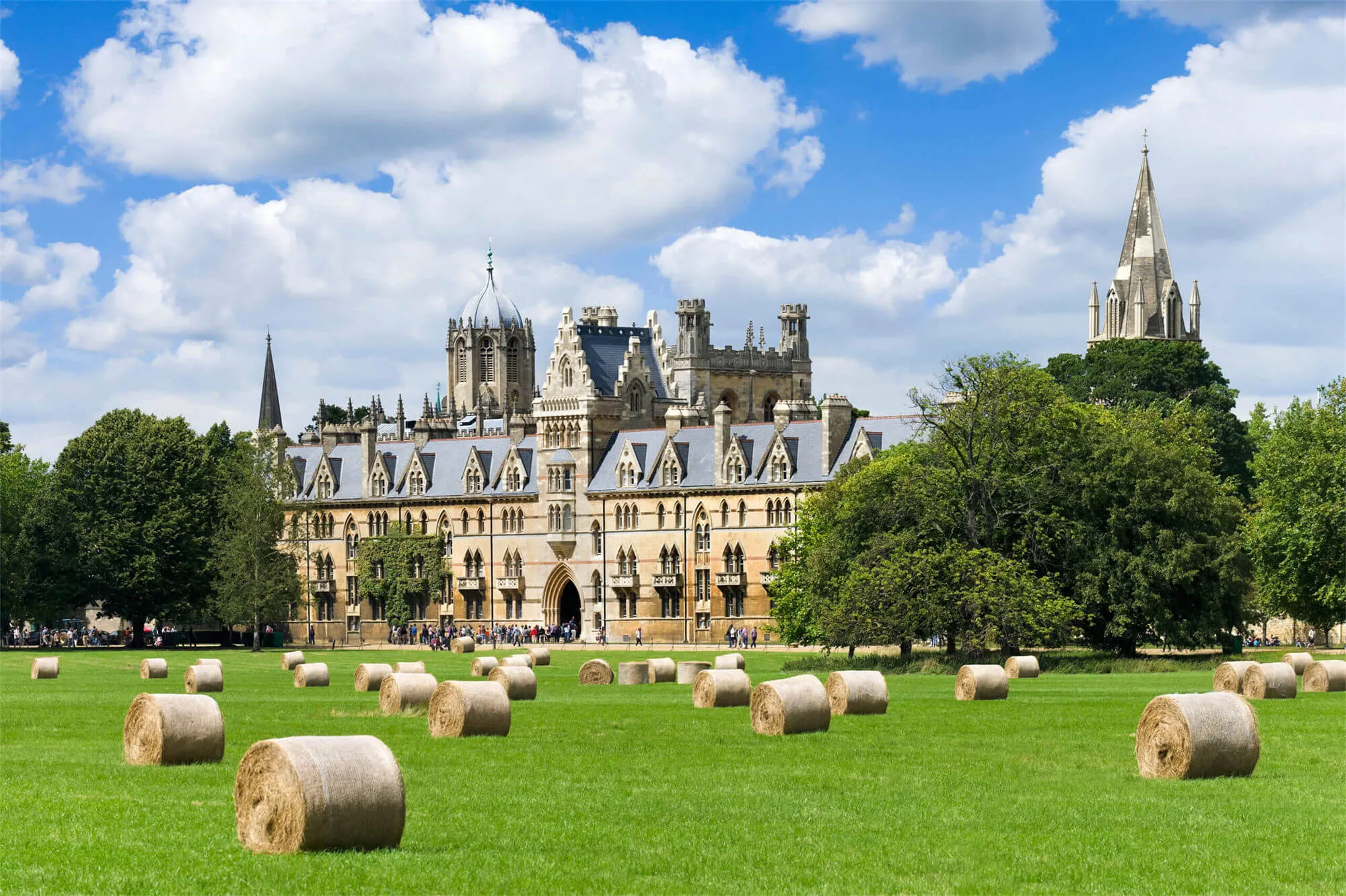
Christ Church Oxford is the headline stop on an Oxford walking tour, famous for being both a University college and the home of Christ Church Cathedral, which also serves as the college chapel.  Founded in 1546 by Henry VIII, it is one of Oxford’s largest and most visited colleges, with grand quads, a monumental gate tower, and a sense of scale that feels closer to a palace than a typical college.  It is also a major pop culture landmark. The college’s staircase and spaces are linked with the Harry Potter filming story, and its Great Hall is widely cited as a key inspiration for the Hogwarts dining hall look and feel.  Literary fans come for Lewis Carroll, who taught at Christ Church, and for the college’s deep association with the real Alice who inspired the stories. Fun fact: Christ Church recently received Lewis Carroll’s own copy of the first edition of Alice’s Adventures in Wonderland, bringing a major piece of “Alice in Oxford” history back to the college.

Christ Church Oxford: College, Cathedral and Harry Potter Hall

Christ Church Oxford is the headline stop on an Oxford walking tour, famous for being both a University college and the home of Christ Church Cathedral, which also serves as the college chapel.  Founded in 1546 by Henry VIII, it is one of Oxford’s largest and most visited colleges, with grand quads, a monumental gate tower, and a sense of scale that feels closer to a palace than a typical college.  It is also a major pop culture landmark. The college’s staircase and spaces are linked with the Harry Potter filming story, and its Great Hall is widely cited as a key inspiration for the Hogwarts dining hall look and feel.  Literary fans come for Lewis Carroll, who taught at Christ Church, and for the college’s deep association with the real Alice who inspired the stories. Fun fact: Christ Church recently received Lewis Carroll’s own copy of the first edition of Alice’s Adventures in Wonderland, bringing a major piece of “Alice in Oxford” history back to the college.

Christ Church Oxford: College, Cathedral and Harry Potter Hall
Exeter College Oxford: Hall, Chapel and Tolkien Links

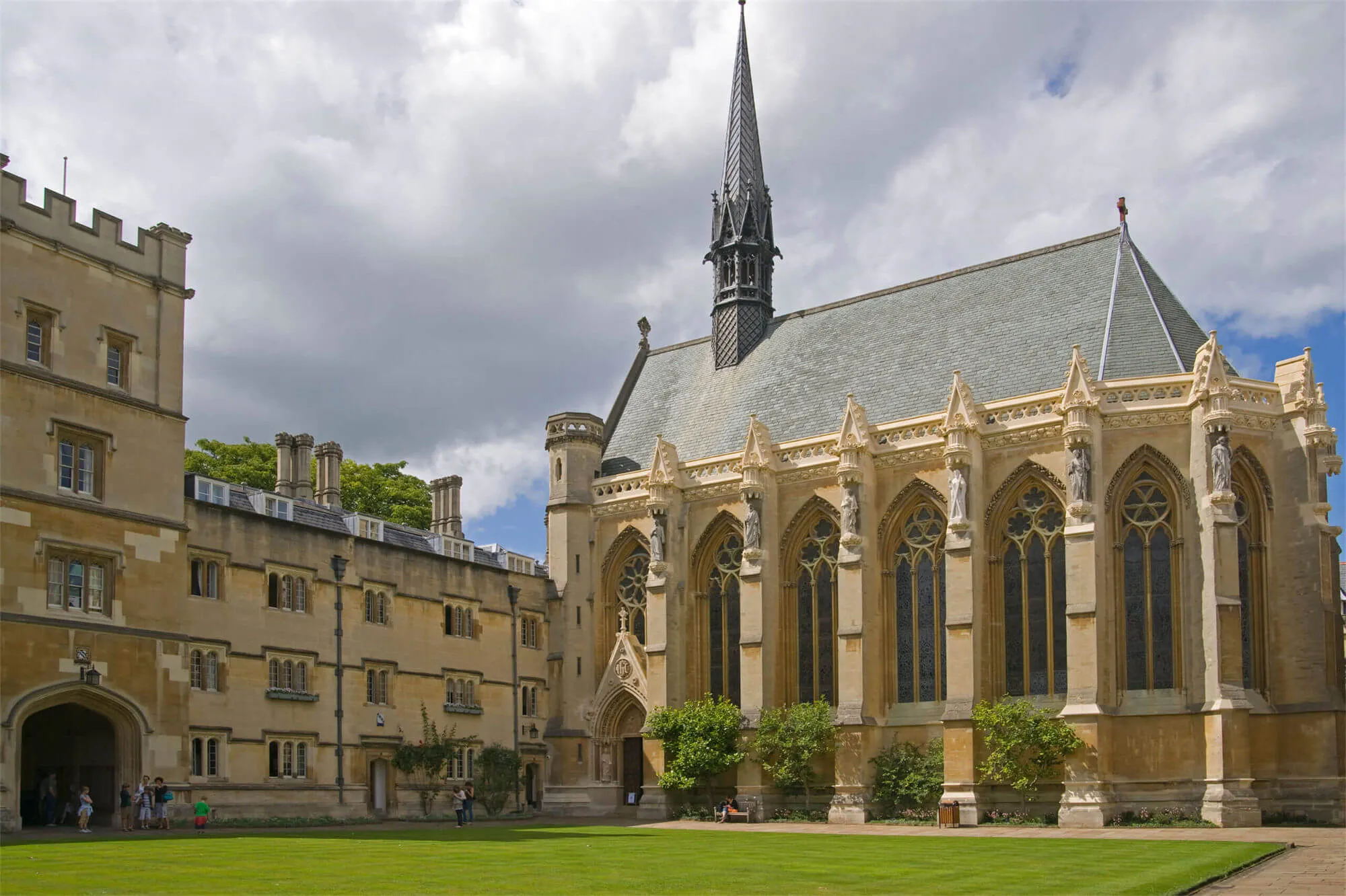
Exeter College is a classic stop on an Oxford walking tour, set just off Turl Street close to Broad Street and the Bodleian area. Founded in 1314 by Walter de Stapledon, Bishop of Exeter, the college has long been associated with students from the south west of England, though today it draws scholars from around the world. Architecturally, Exeter is best known for its grand dining hall, rebuilt in the 17th century and often cited as one of the most impressive halls in Oxford, with a dramatic hammerbeam roof and portrait-lined walls that feel unmistakably traditional. The college chapel adds another layer, offering a quieter, reflective space within the busy city centre and reinforcing Exeter’s reputation for balancing academic seriousness with community life. Fun fact: J. R. R. Tolkien was an undergraduate at Exeter College, and it is often mentioned on walking tours as one of the places where his early academic life in Oxford began, long before Middle-earth took shape.

Exeter College Oxford: Hall, Chapel and Tolkien Links

Exeter College is a classic stop on an Oxford walking tour, set just off Turl Street close to Broad Street and the Bodleian area. Founded in 1314 by Walter de Stapledon, Bishop of Exeter, the college has long been associated with students from the south west of England, though today it draws scholars from around the world. Architecturally, Exeter is best known for its grand dining hall, rebuilt in the 17th century and often cited as one of the most impressive halls in Oxford, with a dramatic hammerbeam roof and portrait-lined walls that feel unmistakably traditional. The college chapel adds another layer, offering a quieter, reflective space within the busy city centre and reinforcing Exeter’s reputation for balancing academic seriousness with community life. Fun fact: J. R. R. Tolkien was an undergraduate at Exeter College, and it is often mentioned on walking tours as one of the places where his early academic life in Oxford began, long before Middle-earth took shape.

Exeter College Oxford: Hall, Chapel and Tolkien Links
New College Oxford: Gothic Cloisters and City Wall Gardens

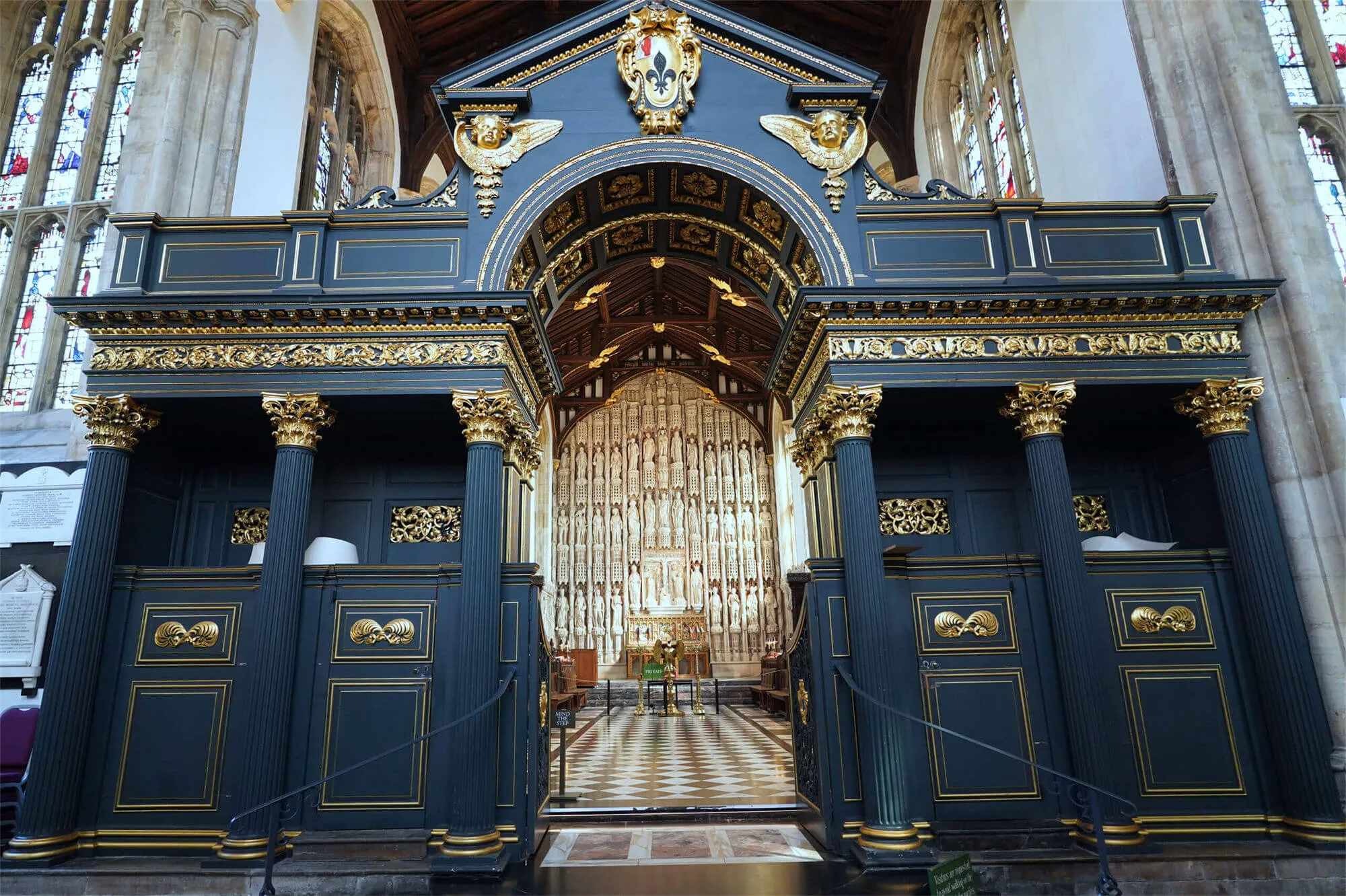
New College Oxford is a highlight on an Oxford walking tour, especially if you want big, cinematic medieval architecture without leaving the city centre. Founded in 1379 by William of Wykeham (formally the College of St Mary of Winchester in Oxford), it is “new” in name only and one of Oxford’s historic heavyweights.  The college is famous for its grand Gothic buildings, including tranquil cloisters that still feel like a quiet, enclosed world just steps from busy streets.  One of the most distinctive features is the garden boundary: sections of the 13th-century Oxford city wall run through and enclose the grounds, creating a rare moment where you can see Oxford’s medieval defences woven directly into a college landscape.  In autumn light, this corner of Oxford feels especially atmospheric, with stone, shadow, and calm greens giving you that classic Oxford “golden” mood. Fun fact: New College is still obliged to maintain the city wall because it was part of Wykeham’s original land deal with Oxford. 

New College Oxford: Gothic Cloisters and City Wall Gardens

New College Oxford is a highlight on an Oxford walking tour, especially if you want big, cinematic medieval architecture without leaving the city centre. Founded in 1379 by William of Wykeham (formally the College of St Mary of Winchester in Oxford), it is “new” in name only and one of Oxford’s historic heavyweights.  The college is famous for its grand Gothic buildings, including tranquil cloisters that still feel like a quiet, enclosed world just steps from busy streets.  One of the most distinctive features is the garden boundary: sections of the 13th-century Oxford city wall run through and enclose the grounds, creating a rare moment where you can see Oxford’s medieval defences woven directly into a college landscape.  In autumn light, this corner of Oxford feels especially atmospheric, with stone, shadow, and calm greens giving you that classic Oxford “golden” mood. Fun fact: New College is still obliged to maintain the city wall because it was part of Wykeham’s original land deal with Oxford. 

New College Oxford: Gothic Cloisters and City Wall Gardens
Divinity School Oxford: Bodleian Gothic Ceiling and Harry Potter

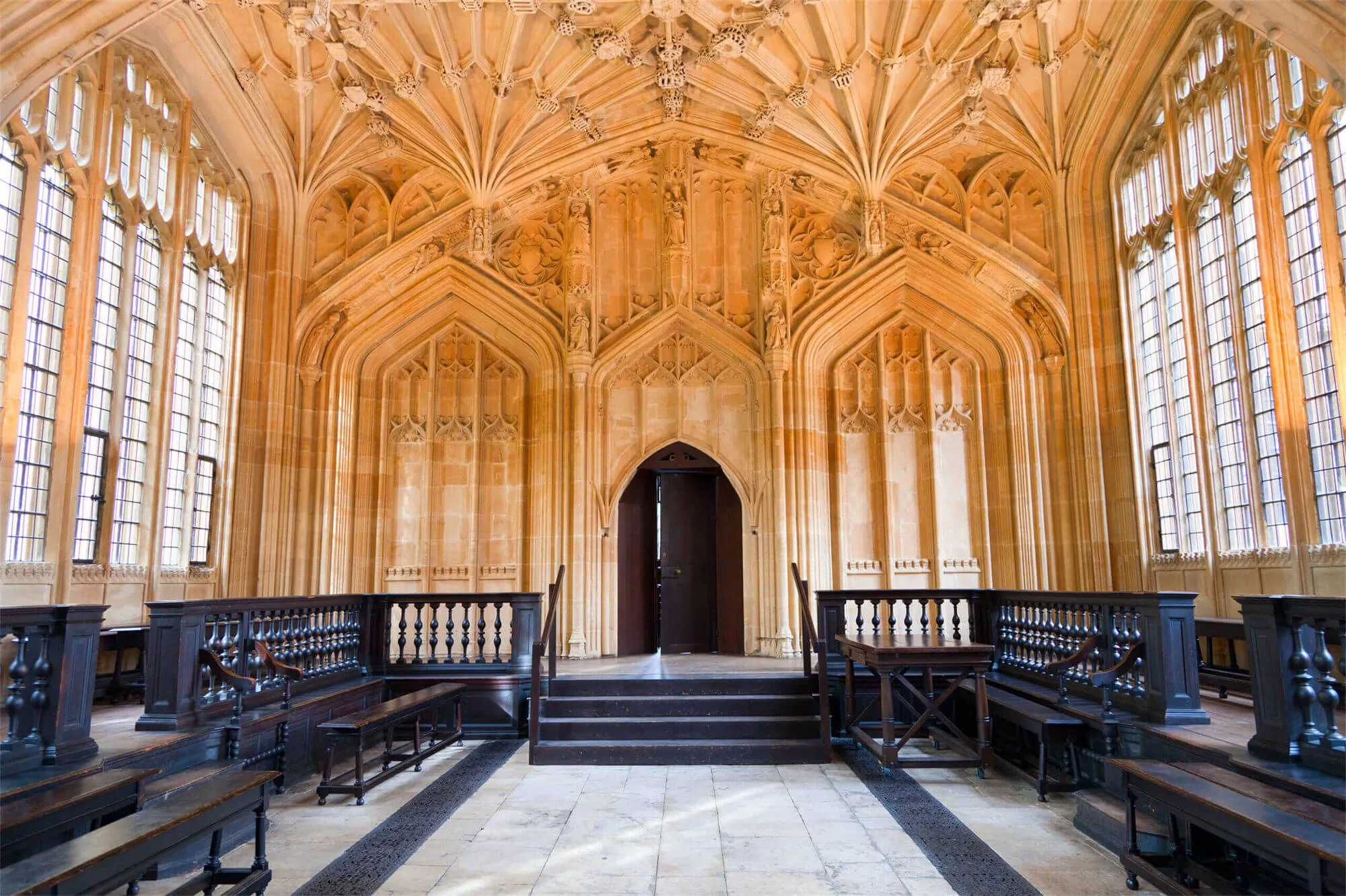
The Divinity School Oxford is one of the most impressive stops on an Oxford walking tour, sitting within the Old Bodleian Library complex on Broad Street. It was built between 1427 and 1483 as the University’s oldest surviving purpose-built teaching room, originally used for theology lectures, oral exams, and academic debates.  The reason people stop and stare is the ceiling: an extraordinarily intricate stone vault designed by master mason William Orchard in the 1480s, packed with carved bosses and late Gothic detail that feels almost unreal in person.  Today, it is also one of Oxford’s most famous filming locations, widely recognised as the Hogwarts Infirmary in Harry Potter and the Philosopher’s Stone, which makes it a perfect “history plus pop culture” moment right in the city centre. Fun fact: On Bodleian tours, guides often point out there are 400+ heraldic crests and carved images in the ceiling details, so you can visit multiple times and still spot something new. 

Divinity School Oxford: Bodleian Gothic Ceiling and Harry Potter

The Divinity School Oxford is one of the most impressive stops on an Oxford walking tour, sitting within the Old Bodleian Library complex on Broad Street. It was built between 1427 and 1483 as the University’s oldest surviving purpose-built teaching room, originally used for theology lectures, oral exams, and academic debates.  The reason people stop and stare is the ceiling: an extraordinarily intricate stone vault designed by master mason William Orchard in the 1480s, packed with carved bosses and late Gothic detail that feels almost unreal in person.  Today, it is also one of Oxford’s most famous filming locations, widely recognised as the Hogwarts Infirmary in Harry Potter and the Philosopher’s Stone, which makes it a perfect “history plus pop culture” moment right in the city centre. Fun fact: On Bodleian tours, guides often point out there are 400+ heraldic crests and carved images in the ceiling details, so you can visit multiple times and still spot something new. 

Divinity School Oxford: Bodleian Gothic Ceiling and Harry Potter

Scan

Whatsapp

Scan

WeChat
小红书ICO
Xiaohongshu
Top