


![[slide:title]](/static/upload/image/20260114/1768375391178223.png "[slide:title]")
Why walking shows a different side of Cambridge
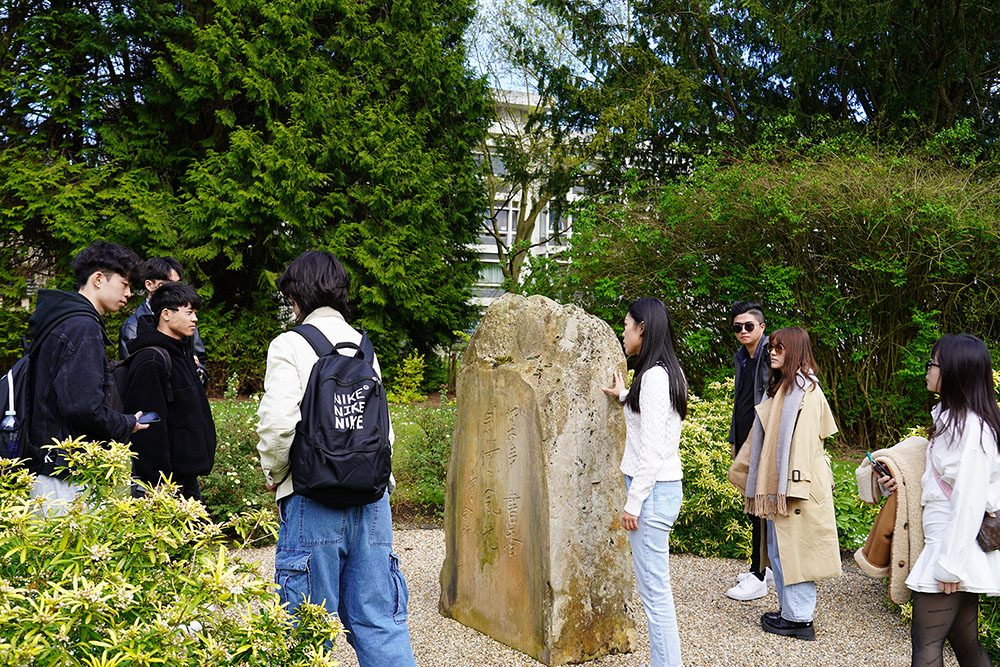
Punting is excellent for scenic views, but walking gives you the scale and texture of the city itself. On foot, you feel how tightly the colleges, chapels, lanes, and public spaces sit together. Cambridge stops being a collection of famous names and starts to feel like a place built over centuries around study, ritual, and daily movement.
Why colleges and landmarks make more sense together
The most interesting thing about Cambridge is not any single building on its own. It is the way colleges, civic streets, church spaces, and university traditions overlap. A strong walking route helps visitors see how these pieces work together. Instead of ticking off isolated highlights, you begin to understand why certain streets feel important and how the city’s identity is created.
What a walking tour adds beyond a checklist
Many people assume a tour is simply a way to see more places in less time. In Cambridge, the real value is not volume but interpretation. A good guide helps you read the relationships between places, explains which details matter, and gives context that transforms ordinary-looking corners into memorable stops. That is often what visitors remember most afterwards.
Why first-time visitors benefit the most
If you are new to Cambridge, it is hard to know which sites deserve a pause, which ones need historical explanation, and which famous names matter in a wider city story. Guided walking helps turn recognition into understanding. It prevents the city from becoming a blur of impressive but disconnected architecture.
Why it pairs so well with punting
Walking and punting work best together because they show Cambridge from different but complementary angles. Walking explains the city at ground level. Punting reveals how the river connects the landscape behind the colleges. Taken together, they produce a much fuller impression than either activity alone.
A Cambridge walking tour lets you see more than college entrances and well-known landmarks. It helps you understand how those places combine to create the character of the city, which is exactly why walking remains such a strong first experience.



 Book Shared Punting