


![[slide:title]](/static/upload/image/20260114/1768381737152232.png "[slide:title]")
Walking shows the city at human scale
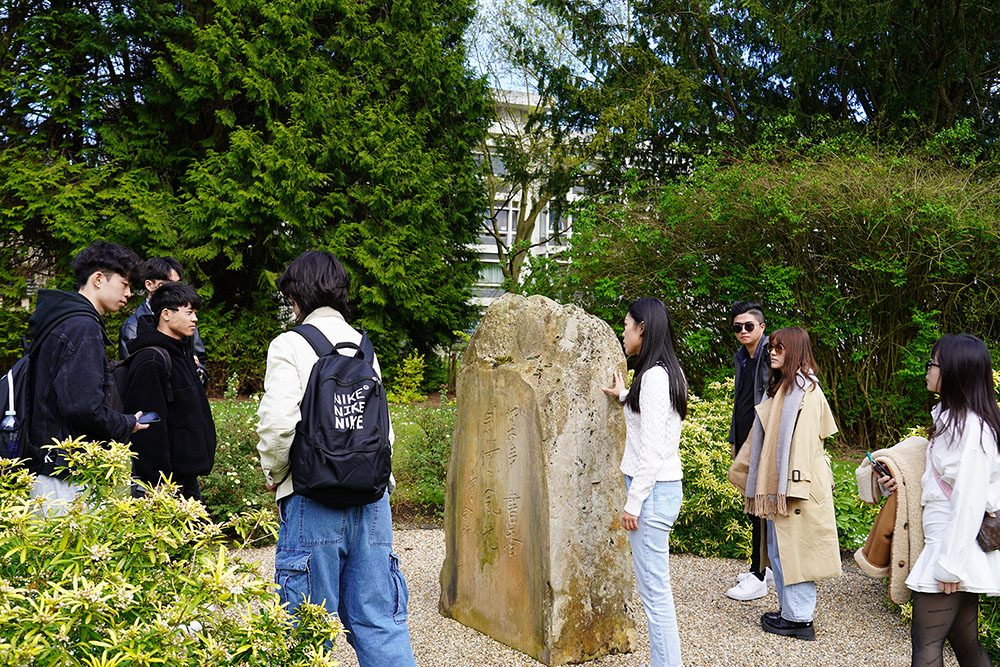
Punting is excellent for broad scenic views, but walking shows Cambridge at street level, where the everyday reality of the city becomes visible. On foot, Chinese-speaking visitors can better appreciate how colleges, chapels, courtyards, and lanes fit together. The city feels less like a postcard and more like a place shaped by centuries of university life.
Why landmarks matter more when they are connected
The most valuable part of a walking tour is not simply that it passes important buildings. It is that those buildings are explained in relation to one another. A Chinese walking tour helps visitors understand how famous colleges, civic spaces, and university traditions overlap to create the character of Cambridge. That is what turns a route into a real experience.
Why Mandarin commentary makes the route more meaningful
Without explanation, many visitors can still admire the architecture, but they may not understand why one stop matters more than another. Mandarin commentary helps transform visual recognition into real understanding. It also allows the whole group to stay engaged, especially when older relatives or younger visitors are less comfortable following detailed English explanations.
Why first-time visitors benefit the most
First-time Chinese-speaking visitors often do not know which corners of Cambridge are worth slowing down for or which sites need historical context to be fully appreciated. A guided Mandarin walk solves that problem by curating the experience. It saves time, reduces uncertainty, and gives the city a clearer narrative shape.
Why walking and punting work so well together
Walking tours and punting tours are strongest when combined. Walking helps you understand the colleges and streets from the ground. Punting then shows how the river ties the landscape together. For Chinese-speaking visitors, this combination often produces the most complete and satisfying first impression of Cambridge.
A Chinese walking tour in Cambridge lets visitors see more than a list of landmarks. It helps them understand how the city is organised, why certain places matter, and how the atmosphere of Cambridge comes together as a whole.



 Book Shared Punting