


![[slide:title]](/static/upload/image/20260114/1768375391178223.png "[slide:title]")
Guidebooks can tell you names, dates, and highlights, but they usually can’t explain how Cambridge actually works. Cambridge is a city of walls, courts, gates, and hidden logic. Many first-time visitors walk past famous places and still feel slightly unsure about what they’ve just seen. That’s why walking tours matter. A good walking tour turns Cambridge from “beautiful buildings” into a city that feels readable, coherent, and meaningful. If you want to explore walking and punting options from one place, start here: We Are Oxbridge (We Are Cambridge) homepage.
Walking is also the best foundation for punting. When you understand Cambridge on foot, the River Cam becomes the calm conclusion rather than a random scenic ride. If you’re new to punting and want a full overview before planning your day, this guide is a helpful reference: Punting in Cambridge UK Guide.
Guidebooks Give Facts, Walking Tours Give Structure
Cambridge doesn’t have the simple “main street, main square” layout that many cities have. Colleges sit behind walls, and the city centre is full of small transitions: narrow lanes opening into quiet courts, gates leading to hidden spaces, and boundaries that change depending on time and access rules. A walking tour teaches you how to read these transitions, which is why Cambridge suddenly feels easier after you’ve done one.
Guidebooks often list colleges one by one, but they don’t show how the college system shapes the city. A walking tour connects the dots: why colleges feel enclosed, how the university life influences the rhythm of streets, and why Cambridge feels calm even when it’s busy. This is the kind of understanding visitors rarely get from reading alone.
You Notice Details You Would Never Spot Alone
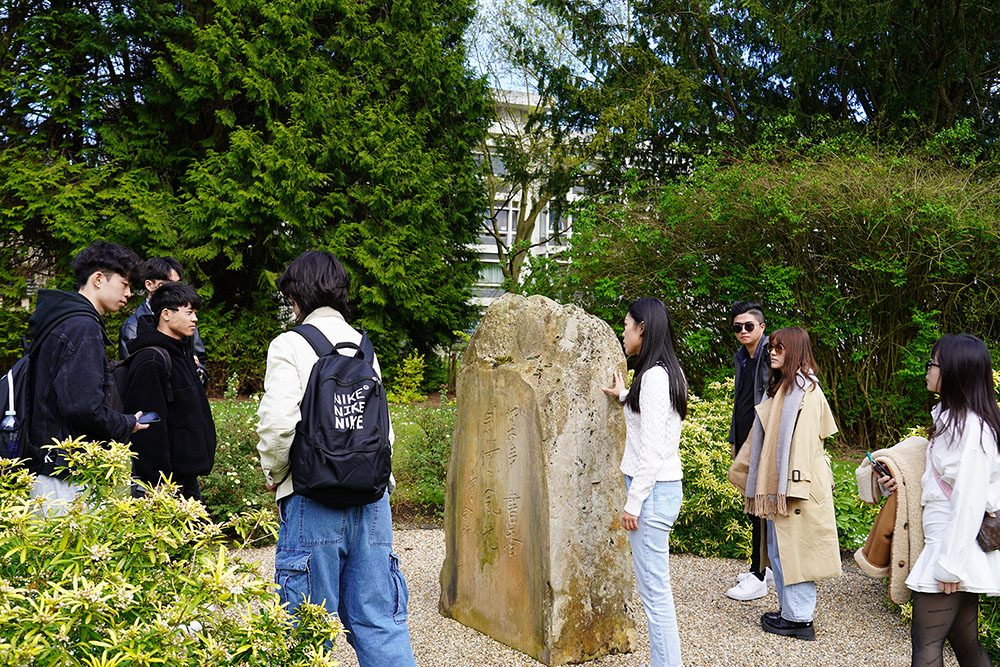
Cambridge is full of small details that are easy to miss when you’re focused on navigating. A guide points out the subtle things that make the city feel real: symbolic carvings, unusual entrances, small architectural clues, and the quiet “rules” of how the city is used. Once you start noticing these details, Cambridge stops feeling like a postcard and starts feeling like a living academic place.
Walking Tours Explain “Why” Not Just “What”
Visitors often ask the same questions in Cambridge: why do colleges look closed, why are some gates open and some not, why does Cambridge feel quiet, and why is the river so central. A walking tour gives you the “why” behind the city, not just names of buildings. That’s why many people say a walking tour is the moment Cambridge starts to make sense.
Student-Led Tours Add a Modern, Lived Perspective
Cambridge isn’t only historic. It is a working university environment. Student-led walking tours often feel more credible because students live the rhythm of Cambridge daily. They can explain what student life feels like now, how traditions still affect daily routines, and how the city changes during term time versus holidays. That lived perspective is something guidebooks rarely capture.
Walking First Makes Punting More Meaningful
Many visitors do punting first because it looks iconic online. It’s still beautiful, but the experience becomes far more meaningful when you walk first. Walking teaches you the city layout and college system context. Then on the River Cam, the backs of colleges align and Cambridge feels coherent. If you want the most reliable structure in one plan, use: Walking and Punting Tours in Cambridge.
If you’re browsing shared punting options after your walk, start here: Cambridge Shared Punting Tours. If you prefer the Chinese shared entry option, use: Chinese Shared Punting (中文拼船). If you’re deciding between private and shared on the river, this guide helps you choose quickly: Private vs Shared Punting in Cambridge.
How Long Should You Plan for a Walking Tour
Most visitors find that a walking tour works best earlier in the day, when attention is fresh and the city is easier to navigate. After walking, punting becomes the calm reward. If you’re planning timing for the river, this guide helps you choose the best window: Best Time to Go Punting in Cambridge.
The simple conclusion is this: guidebooks can tell you what Cambridge is, but walking tours show you how Cambridge works. Once you understand Cambridge on foot, punting becomes more relaxing, more meaningful, and more memorable, because you see the city as a system rather than a set of separate sights.
Written by a Cambridge guide at We Are Oxbridge.



 Book Shared Punting