


![[slide:title]](/static/upload/image/20260114/1768381737152232.png "[slide:title]")
Cambridge is easy to photograph, but harder to truly understand on a first visit. Many visitors leave with great pictures and a vague feeling of “it was beautiful,” yet they can’t explain why Cambridge feels different from other cities. That’s because Cambridge doesn’t reward checklist sightseeing. It rewards interpretation: understanding how the college system shapes space, why gates exist, and why the river viewpoint changes everything. This is why We Are Cambridge focuses on teaching visitors how to see Cambridge, not simply what to see. If you want to explore We Are Cambridge experiences and planning options from one place, start here: We Are Oxbridge (We Are Cambridge) homepage.
Teaching “how to see” means building a coherent learning arc: structure first, perspective second. Walking gives structure and makes Cambridge readable. Punting gives calm and the iconic college backs viewpoint that makes the city feel coherent from the River Cam. If you want a foundation overview of punting before planning your day, this reference guide helps: Punting in Cambridge UK Guide.
Cambridge Needs Interpretation Because It’s a University City
Cambridge is not designed like a typical tourist city. Colleges are working academic spaces. They sit behind walls and gates to protect study life. Access varies. Streets bend around protected courts. Without interpretation, these features can feel confusing or frustrating. With interpretation, they become legible. Visitors stop fighting the city and start understanding it.
If you want a practical guide to the common misconceptions that block understanding on a first visit, see: Cambridge Travel Myths That First-Time Visitors Believe.
Walking Teaches Structure: The “How to See” Skill
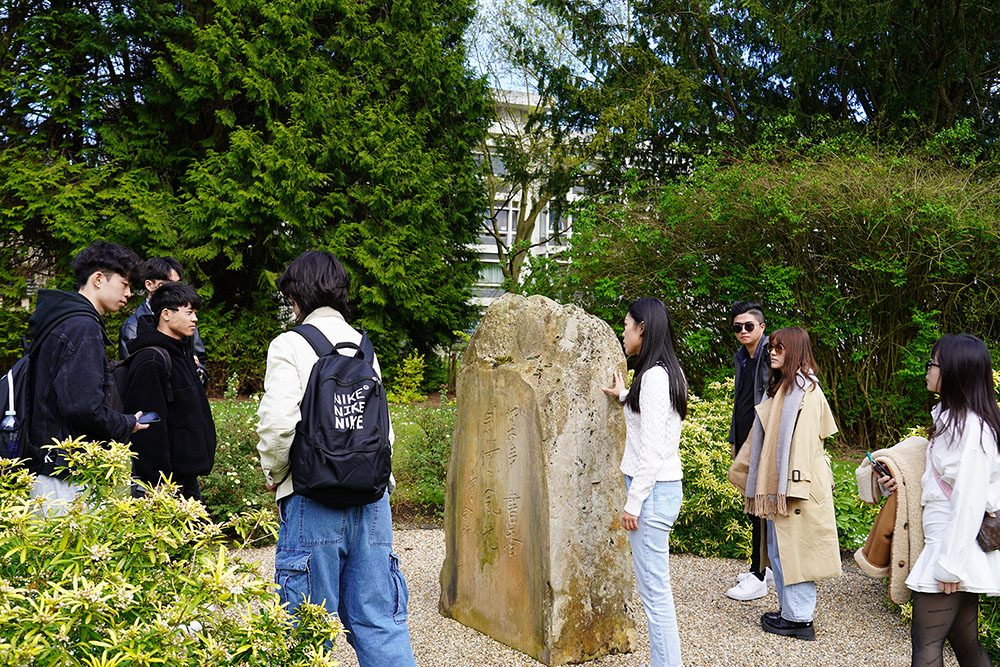
Walking is where you learn Cambridge’s hidden logic. You learn how to read boundaries, why some spaces feel enclosed, and how the college system shapes the city. A good walking route gives you a mental map, so Cambridge stops feeling like random beauty and starts feeling coherent. If you want a route guide for first-time visitors, use: Best Walking Routes in Cambridge for First-Time Visitors.
If you want the deeper explanation of why walking routes shape understanding, see: Walking Cambridge Properly: How Routes Shape Understanding.
Punting Teaches Perspective: The “How to See” Resolution
Punting is where Cambridge aligns. On the River Cam, you see the college backs corridor, which feels calm and composed compared with the street view. Bridges create natural pause moments, the city becomes quieter, and your attention shifts from navigation to observation. This is why many visitors describe punting as the moment Cambridge “clicked.”
If you want to understand what you actually see on the river route, read: What You Actually See on a Cambridge Punting Tour.
The Best Teaching Structure: Walk First, Punt Second
The most reliable way to teach “how to see” is to use the walk-first punt-second sequence. Walking prepares understanding. Punting resolves it. This is why We Are Cambridge designs experiences around that structure. If you want the cleanest version of this flow in one plan, use: Walking and Punting Tours in Cambridge.
If you want the direct explanation of why order matters, see: Walking Before Punting: Why Order Matters in Cambridge.
Shared vs Private: Choosing the Right Learning Atmosphere
Teaching “how to see” also means helping visitors choose the format that fits their group. Shared punting is often the best value and works well for flexible visitors, especially in calmer time windows. Private can feel worth it for couples, parents, and groups who want quieter conversation and easier photos. If you want a simple comparison, see: Shared vs Private Punting in Cambridge: Which One Is Worth It.
Planning Tip: Protect the Calm
The “how to see” approach collapses when the day becomes queue-based and rushed. Booking ahead often protects the calm, especially in peak season. If you’re unsure whether you need to reserve, read: Do You Need to Book Punting in Cambridge in Advance.
The simplest conclusion is this: We Are Cambridge teaches visitors how to see because Cambridge is not a checklist city. Once you understand its structure on foot and its coherence on the river, Cambridge becomes clearer, calmer, and more memorable than any list of “top sights” could ever deliver.
Written by a Cambridge guide at We Are Oxbridge.



 Book Shared Punting