


![[slide:title]](/static/upload/image/20260114/1768381737152232.png "[slide:title]")
Cambridge changes depending on where you stand. On the street, the city can feel enclosed: walls, gates, and hidden courts make first-time visitors slightly unsure. On the River Cam, the city opens up: the college backs align, sound softens, and Cambridge becomes visually coherent. Moving from street to water doesn’t just change what you see. It changes how you understand the city. If you want to explore tours and planning options in one place, start here: We Are Oxbridge (We Are Cambridge) homepage.
This is why walking and punting work best as one story. Walking builds structure and context. Punting becomes the calm resolution where the city “clicks.” If you want this flow in one plan, use: Walking and Punting Tours in Cambridge.
Street Perspective: Why Cambridge Can Feel Fragmented at First
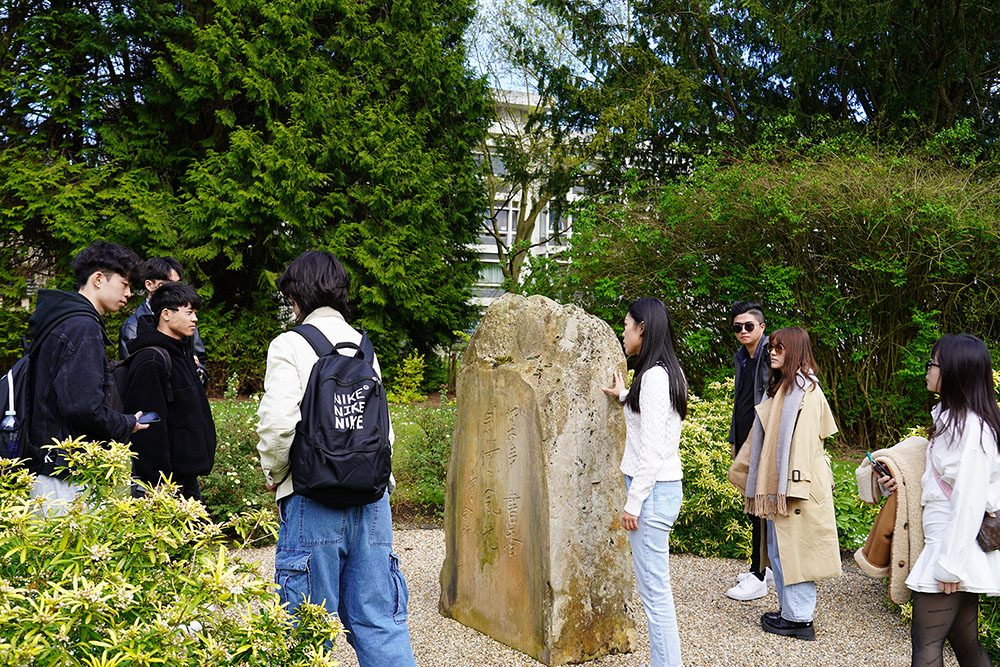
Cambridge is a university city, and it behaves like one. Colleges protect academic life behind walls and gates. Routes bend around private spaces. Access varies. From the street, this can feel like fragmentation: beautiful buildings, but not one clear “centre.” A good walking route makes this readable. If you want a first-time-friendly route guide, use: Best Walking Routes in Cambridge for First-Time Visitors.
Walking also answers the first-time questions people don’t know how to ask yet: why the city feels enclosed, why colleges look closed, and why Cambridge feels quieter than most tourist cities. If you want the most direct first-time advice, see: Visiting Cambridge for the First Time: What No One Tells You.
Water Perspective: Why the River Makes Cambridge Feel Coherent
On the River Cam, Cambridge aligns. The college backs corridor shows the composed private-facing view of the university: lawns to the water, colleges in sequence, bridges creating pause moments. The river removes the street’s fragmentation because it bypasses walls and shows how colleges relate to each other as one continuous environment. If you want a deeper explanation of this, see: Why the River Cam Connects Cambridge Better Than Any Street.
If you want to know what you actually see on a typical punting route, this guide sets expectations clearly: What You Actually See on a Cambridge Punting Tour.
Why This Transition Rewires Perspective
The street requires management. The water allows observation. That shift reduces mental load, which is why punting feels relaxing and memorable. The city stops feeling like a task and starts feeling like an environment you can actually absorb. If you want the psychological explanation behind this shift, see: The Psychology of Punting: Why the River Changes How You Think.
Walking First, Punting Second: The Best Way to Experience the Transition
The street-to-water transition works best when it follows the right order. Walking first prepares you: you understand the city’s structure and why it behaves the way it does. Punting second resolves that structure into calm perspective. If you want the direct explanation of why order matters, see: Walking as Preparation, Punting as Resolution.
Shared vs Private: Choosing How the Transition Feels
Shared punting can still deliver the perspective shift, especially in calmer time windows. Private can feel worth it for couples, parents, or anyone who wants a quieter atmosphere and easier photos. If you want a clear comparison, see: Shared vs Private Punting in Cambridge: Which One Is Worth It.
Timing Tip: Choose Calm Windows
The transition feels strongest when the river mood is calm. Morning and late afternoon are often quieter than midday, especially in peak season. If you want a clear timing guide, use: Best Time of Day to Explore Cambridge.
The simplest conclusion is this: Cambridge isn’t one city, it’s two perspectives. The street shows structure and boundaries. The river shows continuity and calm. When you experience both in the right order, your understanding rewires, and Cambridge becomes a coherent story rather than separate sights.
Written by a Cambridge guide at We Are Oxbridge.



 Book Shared Punting