


![[slide:title]](/static/upload/image/20260114/1768381737152232.png "[slide:title]")
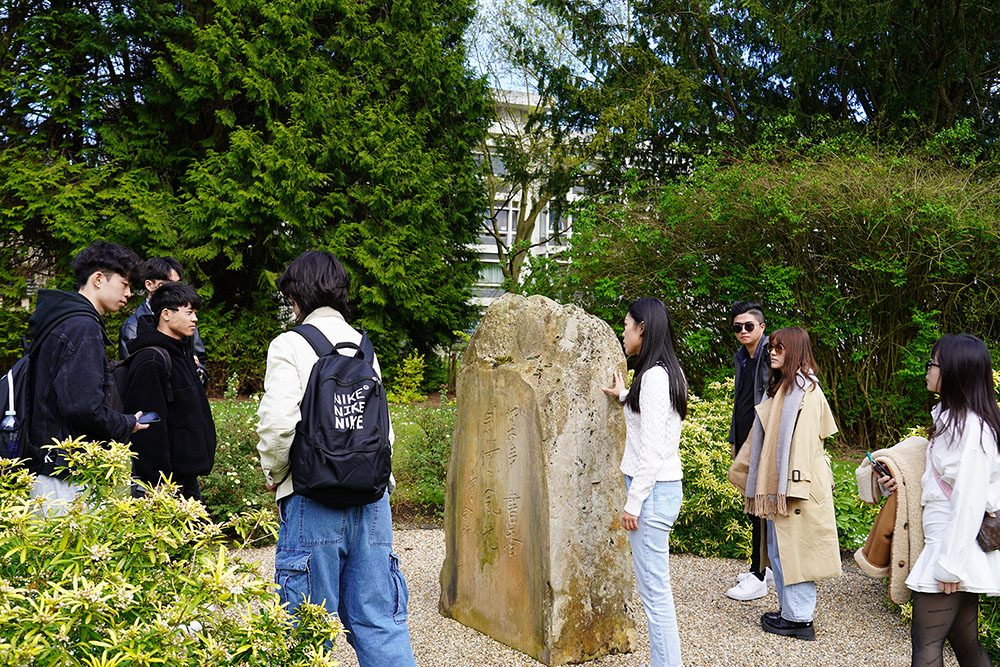
Walking and punting are often sold as separate activities, but in Cambridge they work best as one coherent experience. Cambridge is a city that reveals itself in layers. On foot, the city can feel enclosed and fragmented behind walls and gates. On the river, the college backs align and Cambridge becomes calm and visually connected. That is why We Are Cambridge combines walking and punting by design: walking builds understanding, punting completes it. If you want to explore options and the wider Cambridge news hub from one place, start here: We Are Oxbridge (We Are Cambridge) homepage.
For first-time visitors, this sequence prevents the most common Cambridge frustration: feeling impressed but slightly unsure what you’ve just seen. If you want the most reliable version of this structure in one booking, the combined experience is here: Walking and Punting Tours in Cambridge.
Walking First: Why Cambridge Needs Context
Cambridge is compact, but it isn’t instantly readable. Colleges sit behind walls, access varies, and routes can feel indirect. Walking first gives you the structure: you learn the layout, the college system logic, and why Cambridge feels quiet and disciplined. This “meaning layer” is what makes punting feel like more than a scenic ride.
If you’re visiting for the first time and want the simplest day plan, this guide is a practical companion: Best Cambridge Itinerary for First-Time Visitors.
Punting Second: Why the River Makes Cambridge Click
On the River Cam, Cambridge becomes visually connected. The river shows the composed “college backs” viewpoint where lawns stretch to the water and bridges create natural pause moments. This is why punting is often the most relaxing part of the day, especially after walking. If you want a clear idea of what you actually see on the river route, read: What You Actually See on a Cambridge Punting Tour.
The walk-first punt-second structure also matches how people process a place. Walking introduces complexity, then the river resolves it. If you want a deeper explanation of why punting feels mentally different, this article may help: The Psychology of Punting: Why the River Changes How You Think.
Why This Structure Is Better Than “Two Separate Activities”
When walking and punting are treated as separate products, visitors often end up with a scattered day: a walk that feels rushed, a punt that feels disconnected, and a schedule that becomes queue-based. When the two are designed together, the day becomes one story. You understand Cambridge first, then you relax into it. This is why the combined structure is often the highest satisfaction option for first-time visitors.
Shared vs Private: How Design Still Helps You Choose
Whether you choose shared or private, the structure still works. Shared punting is often great value and can feel calm in quieter windows. Private can feel worth it for couples, parents, and groups who want a quieter atmosphere, more comfort, and easier photos. If you want the simplest comparison, see: Shared vs Private Punting in Cambridge: Which One Is Worth It.
If you’re browsing shared options, start here: Cambridge Shared Punting Tours. If you prefer the Chinese shared entry option, use: Chinese Shared Punting (中文拼船).
Planning Tip: Booking and Timing Protect the Calm
The biggest threat to a coherent day is queues. Booking ahead can protect your schedule and keep the day calm, especially in peak season. If you’re unsure whether you need to reserve, read: Do You Need to Book Punting in Cambridge in Advance.
Timing matters too. Morning walking and late afternoon punting often deliver the calmest flow. If you want a clear timing guide, use: Best Time of Day to Explore Cambridge.
The simplest conclusion is this: We Are Cambridge combines walking and punting by design because it is the most reliable way to make Cambridge understandable and relaxing in one visit. Walking provides structure, punting provides perspective, and together they create the complete Cambridge story.
Written by a Cambridge guide at We Are Oxbridge.



 Book Shared Punting