Most cities are designed around commerce, government, or tourism. Their identities are often shaped by industries, landmarks, or economic activity. University cities, however, tend to develop in a different way. Their rhythm is influenced by academic calendars rather than business quarters, and their character is shaped as much by ideas as by buildings. This is one reason why many travellers find university cities unexpectedly memorable. They may arrive expecting historic architecture and famous institutions, but leave remembering something far less tangible: the atmosphere.
Cambridge is a particularly interesting example of this phenomenon. Every year, visitors come to see world-famous colleges, historic bridges, and centuries of academic history. Yet when people reflect on their visit afterwards, they often talk about experiences that are harder to describe. They remember students cycling through narrow streets, conversations overheard in independent cafés, or the feeling of walking through a city where learning remains part of everyday life. The city is not simply a place where history happened. It is a place where intellectual curiosity continues to shape the present.
One reason university cities leave such a strong impression is that they are constantly balancing tradition and change. Many destinations preserve history by separating it from modern life. Historic buildings become museums, and old districts become tourist zones. Cambridge functions differently. Colleges that are hundreds of years old are still filled with students. Historic libraries continue to support research. Ancient courtyards remain part of daily routines. Visitors are not observing a preserved version of the past; they are witnessing institutions that continue to evolve while maintaining deep historical roots.
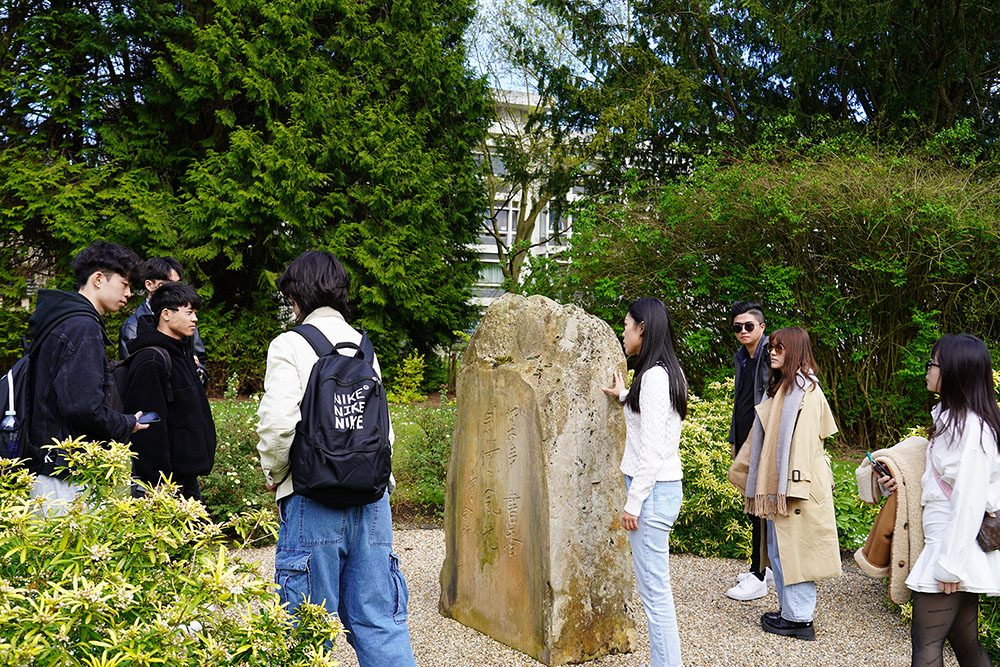
This dynamic creates a different kind of travel experience. In many destinations, visitors focus primarily on landmarks. In Cambridge, curiosity often shifts towards people. Travellers begin asking questions about student life, academic traditions, and how the university operates today. This is why experiences such as Shared Cambridge Student-Led Walking Tour and Private Cambridge Student-Led Walking Tour have become increasingly popular. They offer insights into the contemporary university experience, helping visitors understand not only what Cambridge was, but what it is now.
The same principle applies to exploring the city itself. A beautiful building can be admired in a photograph, but understanding its significance requires context. This is where storytelling becomes important. Through Shared Cambridge Walking Tour and Private Cambridge Walking Tour, visitors often discover that the most fascinating aspects of Cambridge are not always immediately visible. The stories behind the colleges, the traditions that shaped the university, and the events that influenced the city's development provide a deeper understanding of why Cambridge continues to attract talent and curiosity from around the world.
Even the River Cam reflects this relationship between place and perspective. For many visitors, a journey aboard a Shared Cambridge Punting Tour or Private Cambridge Punting Tour offers more than a scenic view. It reveals a side of Cambridge that cannot be fully appreciated from the streets alone. From the water, the relationship between the colleges, the landscape, and the city becomes clearer. The experience helps visitors understand how geography and history have shaped Cambridge over centuries.
What makes university cities particularly valuable in modern travel is that they encourage a different type of engagement. Rather than simply consuming attractions, visitors are invited to ask questions. Why did this institution survive for so long? How has it adapted to changing times? What role does it continue to play in the wider world? These questions transform sightseeing into exploration and often lead to a more meaningful connection with the destination.
At We Are Cambridge, we regularly meet travellers who arrive expecting to see a famous university and leave with a much broader appreciation for the city itself. They discover that Cambridge is not defined solely by its academic reputation. It is also a place shaped by stories, traditions, communities, and ideas. Perhaps that is why university cities remain so compelling. They remind us that some destinations are not simply places to visit. They are places that invite us to think differently about the world around us.
Written by a Cambridge guide at We Are Oxbridge



![[slide:title]](/static/upload/image/20260608/1780857631215835.webp "[slide:title]")



 Book Shared Punting